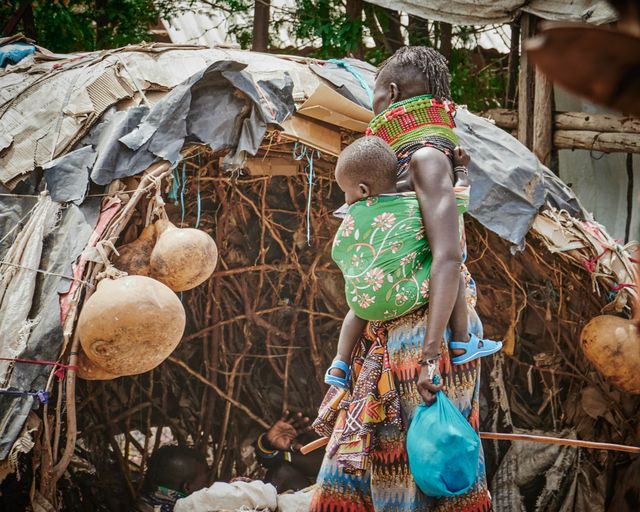
Cultural Etiquette Tips for Travelling in Africa
Africa is a continent made up of 54 countries, and each country has its own cultures, customs and traditions. Even within one country, you may meet people from many different cultural backgrounds, so try not to think of “African culture” as one single thing.
The etiquette you encounter in Morocco will not be the same as in Kenya, Botswana or South Africa. Customs may also differ between cities, rural villages and safari areas.
You don’t need to understand every local custom before you arrive. Most people will appreciate that you are a visitor and may not know the usual way of doing things. Being friendly, observant and willing to listen will go a long way.
These cultural etiquette tips aren’t strict rules for every African destination. Instead, they will help you travel more thoughtfully and interact respectfully with the people you meet.
And don’t forget, respectful behaviour extends to the wilderness too, so read these do’s and don’ts of going on an African safari before your first game drive.
Take the Time to Greet People
Greetings are important in many African communities. Take the time to say hello before asking a question, requesting directions or starting a conversation.
If you walk into a shop, speak to a hotel employee or meet someone during a village visit, a friendly greeting is usually the best place to begin. Immediately launching into what you need can sometimes come across as abrupt, even if that wasn’t your intention.
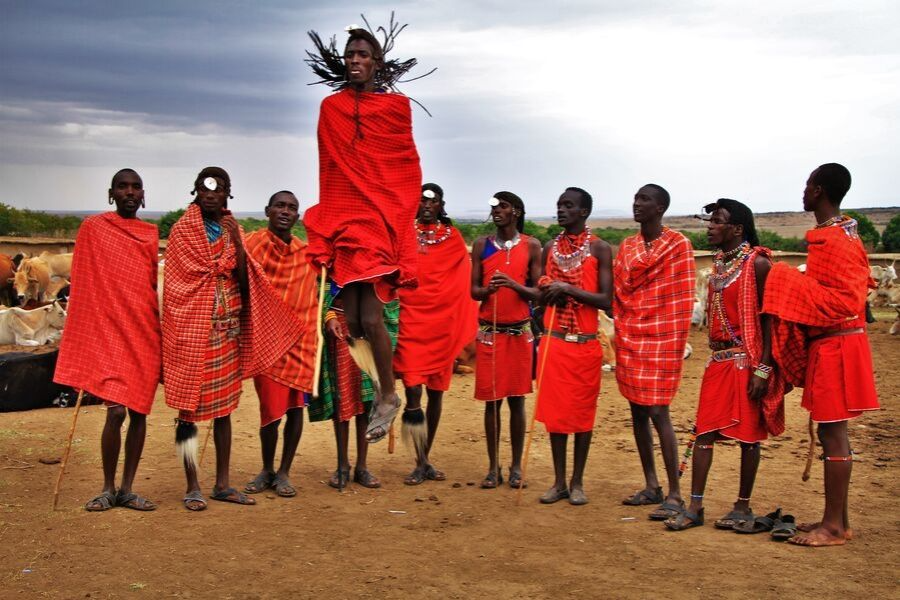
You may also notice that conversations begin with questions about how you are, how your journey went or how your family is doing. This is not necessarily meaningless small talk. It can be an important part of acknowledging the other person before getting down to business.
Follow the lead of the person you are meeting. In some places, a handshake is customary, while in others a verbal greeting is more appropriate. Religious beliefs, age and gender can also influence how people greet one another.
Understanding how transfers and local transport work can also make everyday interactions easier; this guide explains how to get around Africa.
Learn a Few Words in the Local Language
You are unlikely to become fluent in a new language before your trip, especially if you are travelling through several countries. However, learning a few basic words can make your interactions more personal. But at the same time, most people speak English. The only caveat would be in the real, traditional, cultural villages. Your tour guide will be able to translate if necessary.
Start with simple words and phrases such as:
- Hello
- Please
- Thank you
- Goodbye
- How are you?
- Yes and no
Even if your pronunciation isn’t perfect, making an effort shows interest and respect. Your guide or lodge staff will usually be happy to teach you a few useful words and help you pronounce them correctly.
Remember that many African countries have several languages. The language spoken by your guide may be different from the one used in another part of the same country.
Ask Before Photographing People
Africa is a photographer’s dream, but not everyone wants to be included in your holiday photographs.
Always ask permission before photographing an individual, particularly when taking a close-up portrait. This is especially important when photographing children. Permission should come from a parent, guardian or responsible adult—not only from the child.
Avoid taking photographs of people from a vehicle window as though they are part of the scenery. Think about whether you would be comfortable with a stranger taking a photograph of you or your children without asking.
Some people may be happy to pose, while others may say no. Occasionally, someone may request payment in exchange for a photograph. You can decide whether you are comfortable with this, but don’t try to sneak a photograph after permission has been refused.
During a community visit, ask your guide what is appropriate. There may also be restrictions around photographing government buildings, border posts, airports, military installations or places of worship.
Dress Appropriately for the Place You Are Visiting
Clothing at safari lodges and popular tourist destinations is generally relaxed. However, what is suitable beside the lodge swimming pool may not be appropriate in a village, school, market or place of worship.
Some communities and religious sites expect visitors to dress more conservatively. It is useful to carry something that covers your shoulders and knees, particularly if your itinerary includes a mosque, church or traditional community.
You may also be asked to remove your hat or shoes before entering certain buildings. Follow the example of your host and ask if you are unsure.
This doesn’t mean that you need to completely change the way you dress throughout your trip. It is simply about choosing clothing that is appropriate for the particular place you are visiting.
Be Respectful During Community and Village Visits
A well-organised community visit can be one of the most meaningful experiences of a trip to Africa. It provides an opportunity to meet local people, learn about their traditions and understand more about everyday life beyond the safari lodge.
However, a village is someone’s home—not an attraction created solely for tourists.
Listen to your host, remain with your guide and don’t enter homes or other private spaces unless you are invited. Ask before touching personal belongings or joining an activity.
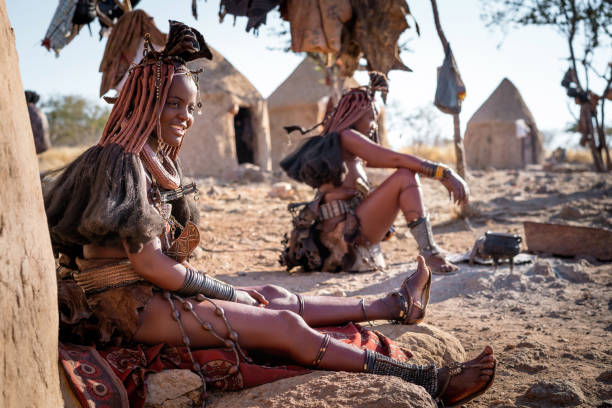
Be interested and ask questions, but avoid comparing everything with how it is done “back home”. Different does not mean inferior.
A cultural visit should feel like a respectful exchange rather than another activity to tick off your itinerary.
Ask Questions with Genuine Curiosity
Most guides and hosts are happy to answer questions about their country, culture and daily lives. Thoughtful questions can lead to some of the most interesting conversations of your trip.
However, extremely personal questions about income, politics, religion, marriage or family circumstances may make someone uncomfortable, particularly when you have only just met.
Avoid asking questions in a way that implies surprise that someone has a mobile phone, uses social media, speaks fluent English or has attended university. Africa is not frozen in the past. Traditional practices and modern life exist alongside one another.
If you’re unsure whether a question is appropriate, ask your guide privately first.
Respect Religious Customs
Africa is home to many religions and belief systems, including Christianity, Islam, Hinduism and a wide range of traditional African beliefs.
Religious customs can affect clothing, food, greetings, opening hours and daily routines. During Ramadan, for example, many Muslims fast between sunrise and sunset. In predominantly Muslim areas, eating, drinking or smoking openly in certain public places during fasting hours may be considered insensitive.
When visiting a place of worship, check whether visitors are allowed inside and whether there are any clothing, photography or seating requirements. You may need to cover your head or shoulders, remove your shoes or remain in a designated area.
You don’t need to share someone’s beliefs to treat them with respect.
Don’t Hand Out Sweets or Money to Children
It may feel generous to give sweets, toys, pens or money directly to children, but good intentions can have unintended consequences.
Handing out gifts can encourage children to approach tourists or miss school in the hope of receiving something. It can also cause conflict if there aren’t enough items for everyone.
If you want to contribute, speak to your guide, lodge or community host. It is usually better to donate through a reputable school, community organisation or local project that understands what is needed and can distribute items fairly.
Try not to arrive with a suitcase full of things you assume people need. Ask first. The items most useful to a school or community may be completely different from what you imagined.
Be Thoughtful When Visiting Schools
Some safari lodges support nearby schools and may include a school visit as part of a community programme. These visits can be interesting, but they need to be organised around the needs of the school rather than the entertainment of visitors.
Children shouldn’t be expected to sing, perform or pose for photographs every time tourists arrive. A constant stream of visitors can also disrupt lessons.
Only visit schools through an organised programme and follow the guidance of the teachers or community representatives. Ask before entering classrooms, speaking to pupils or taking photographs.
If you would like to donate, find out what the school actually needs. It may be books or stationery, but it could just as easily be maintenance work, sports equipment, sanitary products or financial support for a particular programme.
Bargain Politely at Markets
Bargaining is expected in many markets, but not in every shop or destination. Fixed prices are increasingly common, particularly in formal stores, galleries and community-run craft centres.
If bargaining is appropriate, keep the interaction friendly. Decide what you are genuinely prepared to pay and negotiate without becoming aggressive.
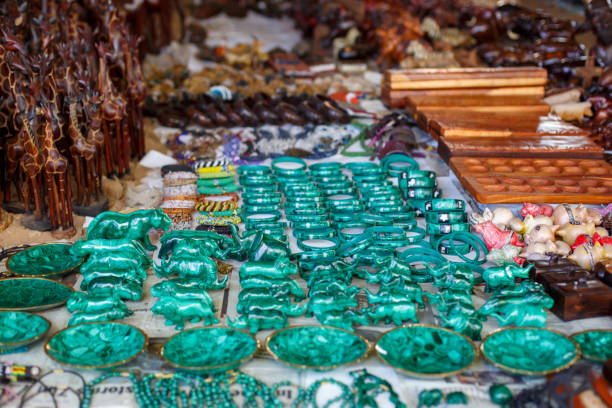
Remember that bargaining should be enjoyable for both sides. There is little value in arguing for several minutes over an amount that means very little to you but could make a meaningful difference to the person selling the item.
Once you have agreed on a price, honour the agreement. Don’t continue negotiating or walk away after the seller has accepted your offer.
Buying locally made crafts is also a good way to support local artists and small businesses.
Victoria Falls in Zimbabwe has some great markets where the vendors enjoy bartering. If travelling to Victoria Falls is part of your itinerary, these Victoria Falls travel tips will help you prepare for the destination.
Understand How Tipping Works
Tipping is common in the safari industry, but expectations differ between countries, lodges and types of trip.
You may want to tip:
- Safari guides
- Trackers
- Transfer drivers
- Lodge staff
- Porters
- Restaurant staff
- Local hosts or specialist guides
Some lodges have a communal tip box for the behind-the-scenes team, while guides and trackers may be tipped separately. Other properties include certain gratuities or provide their own suggested guidelines.
Ask your lodge or tour operator for advice before you travel. This will help you budget, carry the appropriate currency and understand who should be tipped directly.
Tipping should recognise good service, but staff should always be treated with courtesy regardless of how much you intend to give.
Avoid the “Poor Africa” Narrative
Africa is often presented through stories of poverty, conflict, disease and wildlife. These issues do exist, but they don’t represent the whole continent or the lives of everyone who lives here.
Africa is also home to busy cities, entrepreneurs, universities, artists, technology companies, luxury hotels, farms, suburbs and thriving communities. People’s lives cannot be reduced to the difficult circumstances you may read about or even see during one short visit.
Be careful about the captions you add to photographs and the stories you share online. A photograph of a child standing beside a rural home doesn’t tell you everything about that child, their family or their future.
Avoid describing people as “having nothing but still being happy”. This may sound complimentary, but it reduces complex lives to a simple story created from a visitor’s perspective.
Share what you learn, but allow people dignity and avoid presenting yourself as someone who has arrived to rescue them.
Choose Responsible Cultural Experiences
Before booking a cultural experience, look at how it is organised and who benefits from it.
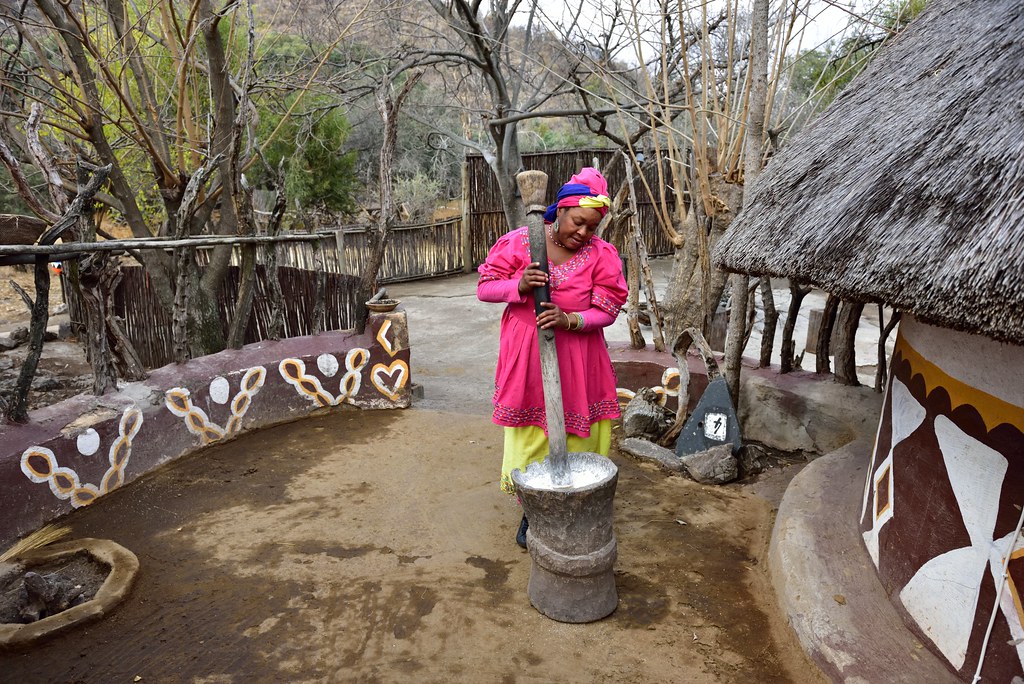
A responsible experience should involve local people in deciding what visitors see and how their culture is represented. Hosts should be paid fairly, and the visit should respect the privacy and daily routines of the community.
Be cautious of experiences that feel staged, exploitative or designed to make visitors feel sorry for the people they meet. Cultural tourism should create genuine economic opportunities without turning traditions or personal hardship into a performance.
You can ask your tour operator or lodge:
- Who runs the experience?
- Are the hosts paid?
- Does part of the fee support a local project?
- Has the community chosen to welcome visitors?
- Are photography and donations managed responsibly?
Responsible cultural tourism allows travellers to learn while ensuring that local people retain control over how their stories are shared.
Help Children Travel Respectfully
Children are naturally curious and may ask very direct questions. Before a community visit, explain where you are going and what sort of behaviour is expected.
Encourage them to greet people, listen to their host and ask respectful questions. Remind them not to stare, point, laugh at unfamiliar clothing or take photographs without permission.
It is perfectly fine for children to notice differences. Travelling gives parents an opportunity to explain that people around the world may live, dress, eat or worship differently without one way being better than another.
Children should also understand that the local children they meet are not there to entertain them. Let them interact naturally when the opportunity arises rather than forcing photographs or friendships. Often the kids end up having a lot of fun together!
Follow the Guidance of Local People
You will not always know what is expected, and that is completely normal.
Pay attention to the people around you and follow the guidance of your host, guide or lodge staff. If you accidentally make a mistake, apologise and learn from it. A sincere effort matters far more than trying to get every detail right.
The best cultural experiences often happen when you slow down, listen and allow a genuine conversation to develop.
Travel With Curiosity and Respect
Travelling in Africa isn’t only about seeing wildlife, visiting famous landmarks or taking beautiful photographs. It is also about the people you meet and what you learn from being somewhere different.
You don’t need to know every custom before you arrive. Start by greeting people, asking permission, listening to your local guides and remembering that you are a guest in someone else’s home or community.
Africa is far too large and diverse for one set of etiquette rules to apply everywhere. Approach each destination with an open mind, take your cues from the people who live there and don’t be afraid to ask when you are unsure.
Respect doesn’t require perfection. It begins with recognising that the people you meet are individuals—not attractions, stereotypes or background characters in your holiday photographs.