Best Tips for a Holiday to Zimbabwe
I personally love going on a holiday to Zimbabwe. The people are friendly, the areas are pretty safe, the landscape is beautiful and there is a lot to do.
This is the perfect post if you are a first time visitor to Zimbabwe.
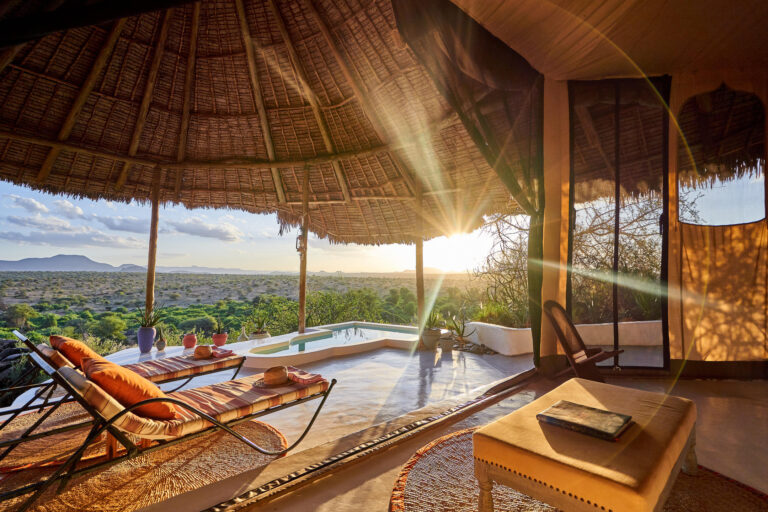
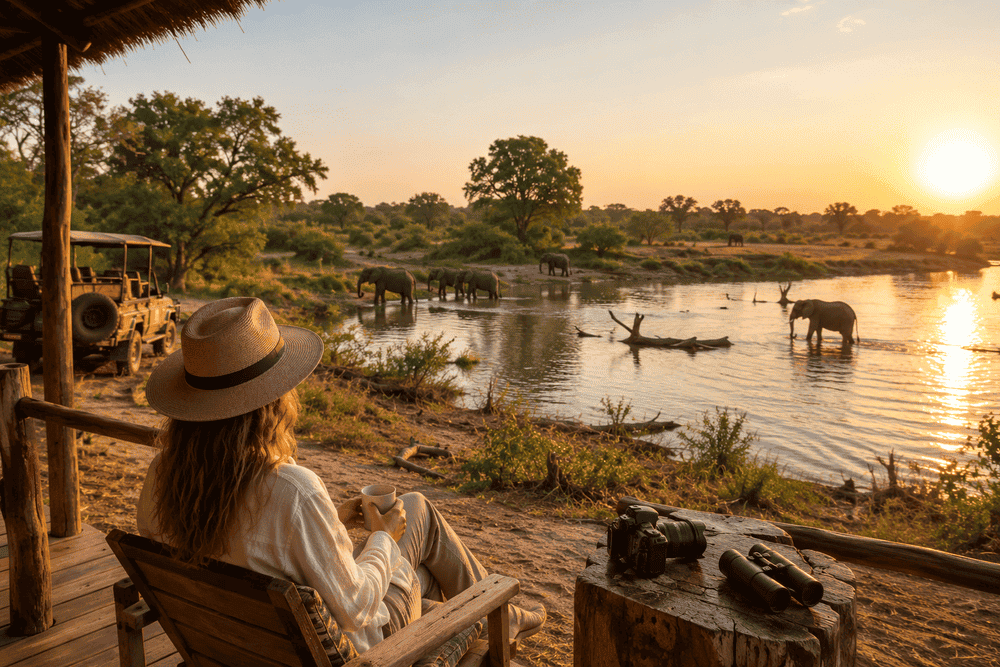
Zimbabwe is one of the safari countries that just gets right there under your skin. Its not just about the wildlife (although that can be amazing!), but it’s about the feeling of being out in nature ‘properly’ – you know, listening to the lions at night, watching the elephants walk through your camp, or drink at the waterhole, and it’s about sitting under the huge African night sky, every starry light twinkling like a crystal.
When planning a holiday here, you must be aware of the weather and seasons in Zimbabwe and know the best time to travel to Zimbabwe as this affects many areas that people visit.
Here are my best tips, from all my years working in the travel industry and from travelling there myself, to help you best prepare for your holiday to Zimbabwe.
Is Zimbabwe Safe to Visit?
Honestly, this will depend on who you ask and the experience that they had. In general, yes it is relatively safe but as any country in the world, there are opportunists and you still need to keep your eyes open.
Keep your valuables on you, and be vigilant, just as you would anywhere else in the world, for example, don’t leave your mobile phone on a table if you’re eating out, keep your passports and things locked up in the hotel/ lodge’s safe.
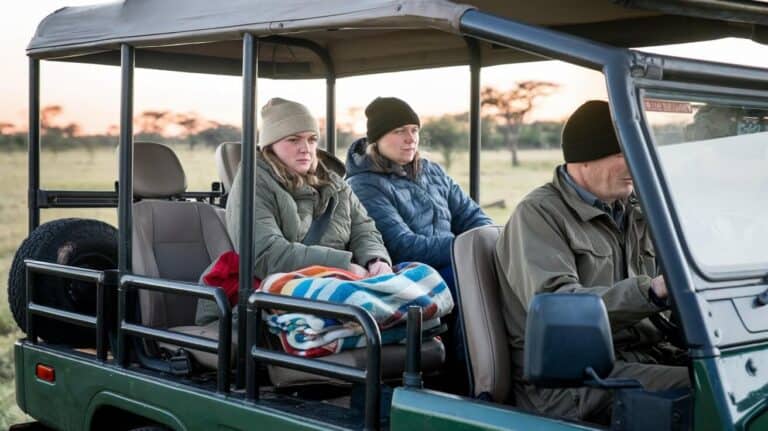
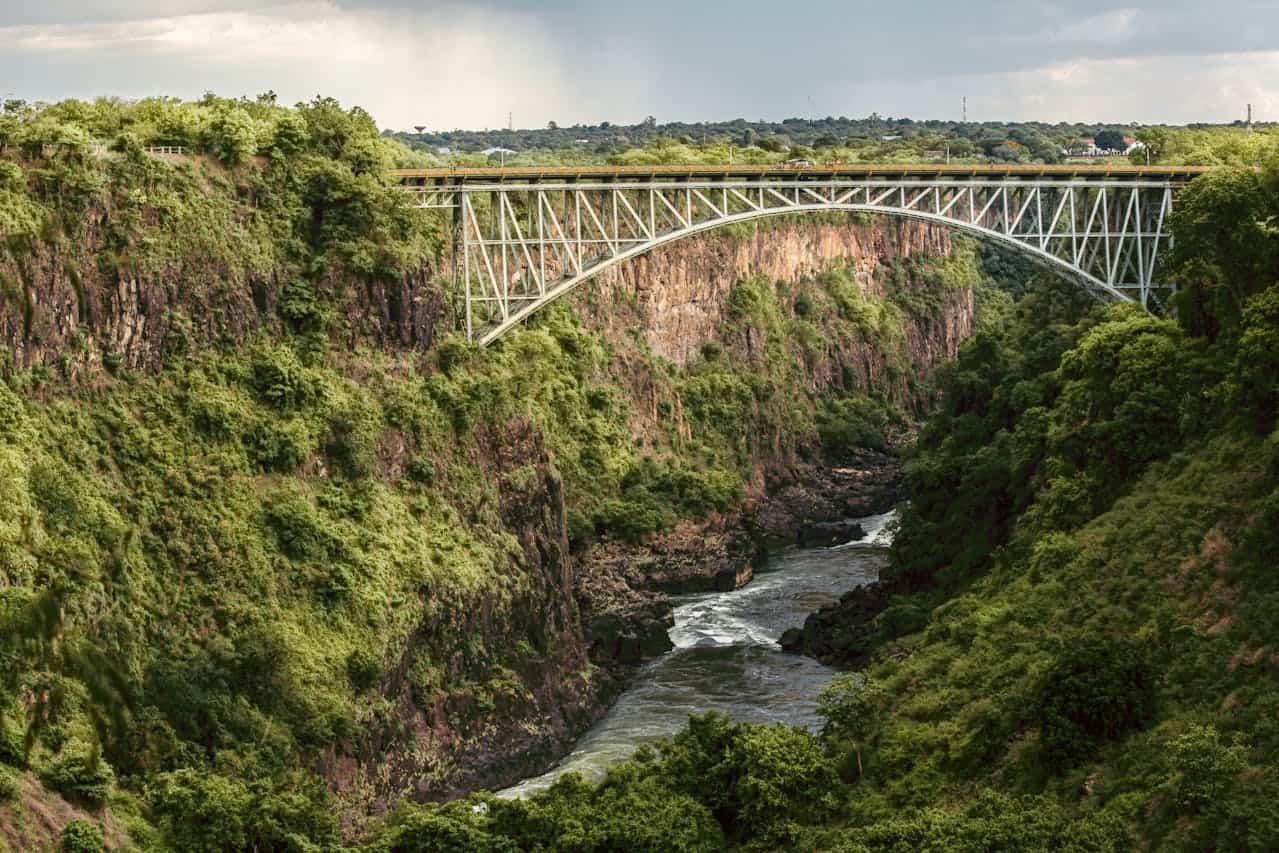
However, in saying that, when we went to visit Victoria Falls, we had an ‘open’ vehicle (like you have out in the bush on safari) and we left jackets and hats and things in the vehicle, and they were still there when we returned about an hour and a half later.
I do still recommend taking out adequate travel insurance to cover yourself and your valuables. It might feel like a bit of a waste of money, but rather have it and not need it, then not have it and need it!
Getting into Zimbabwe for Your Holiday
International Flights into Zimbabwe
Book your flights to the correct airport. The main airports to fly into for a holiday to Zimbabwe are Victoria Falls Airport (airport code: VFA) or Harare Airport (airport code: HRE). The airport you choose to fly into will depend on your itinerary.
Suggested itinerary 1: Fly into Victoria Falls and out of Harare
Suggested itinerary 2: Fly into Harare and out of Victoria Falls
Suggested itinerary 3: Fly into and out of Victoria Falls
Suggested itinerary 4: Fly into Victoria Falls and then extend on to another country by road transfers – such as Botswana or Zambia
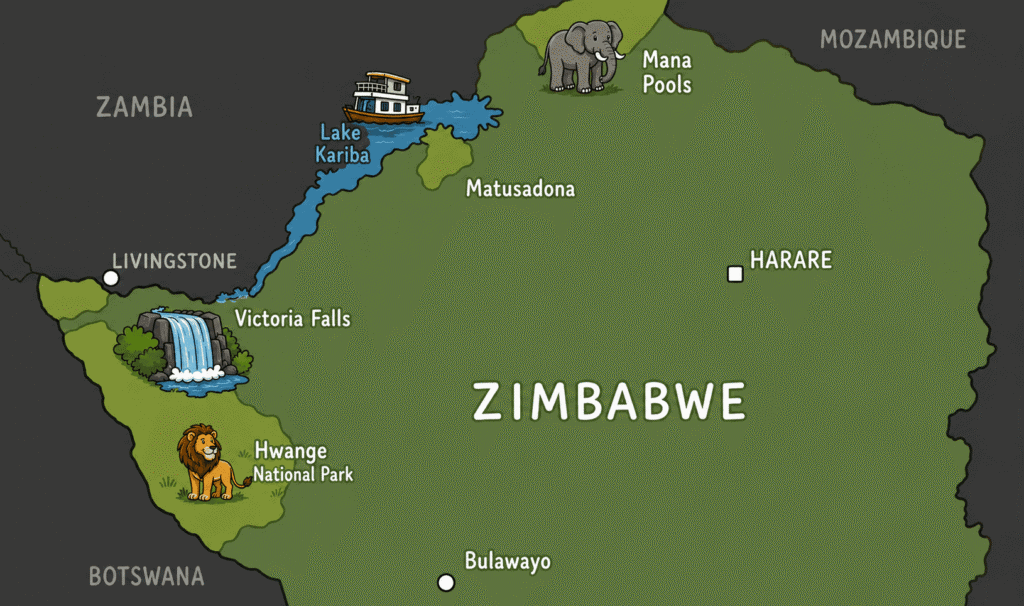
Looking at this map you might be wondering how on earth you will now get from Harare to, well anywhere. You fly.
So let me go into a little bit more detail on what I said above, the ‘Suggested itinerary 1: Fly into Victoria Falls and out of Harare’
Basic Example of a 7-Night Itinerary in Zimbabwe
Day 1: Arrive and overnight in Victoria Falls
Day 2: Overnight Victoria Falls
Day 3: Overnight Hwange National Park
Day 4: Overnight Hwange National Park
Day 5: Overnight Hwange National Park
Day 6: Overnight Mana Pools National Park
Day 7: Overnight Mana Pools National Park
Day 8: Fly home
Day 1: Fly into Victoria Falls on a commercial flight and get a road transfer to your hotel (usually its about 20 minutes). Enjoy a late afternoon sunset cruise followed by dinner at a restaurant. Try The Boma Restaurant for a fun night out of storytelling, traditional dancing, face painting and a huge buffet meal
Day 2: In the morning you must go and visit the Falls. From there, enjoy the activities Victoria Falls has to offer! There is so much to do, especially if you like adventurous activities but don’t forget you can also book a full day game drive tour to Chobe National Park in Botswana. Overnight at your hotel.
Day 3: This morning book a transfer back to Victoria Falls Airport. You will fly from here in a bush plane to Hwange National Park where you will stay for the next three nights. Overnight at your safari lodge.
Day 4 and 5: Overnight at your safari lodge and enjoy the game drives, bush walks, and peace and tranquility of being out in the African bush.
Day 6: Enjoy your final morning game drive and breakfast before heading off to the airstrip for your onward flight to Mana Pools National Park. When you arrive at the airstrip in Mana Pools, you’ll be met by your guide who will transfer you to your camp. Enjoy high tea and an afternoon game drive, before a delicious dinner and turning in for the night.
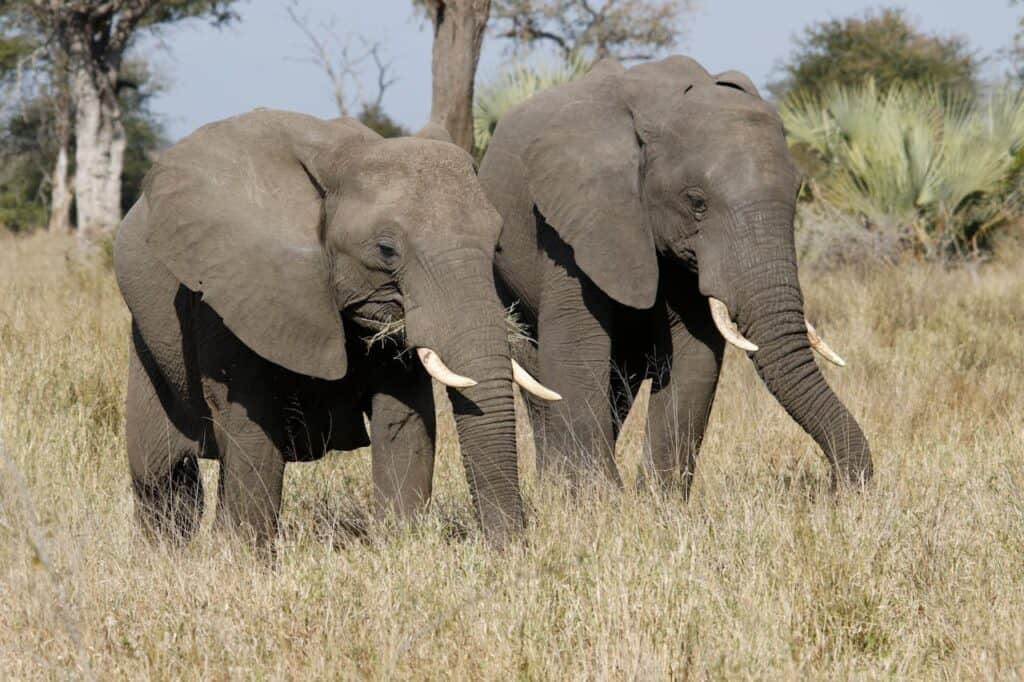
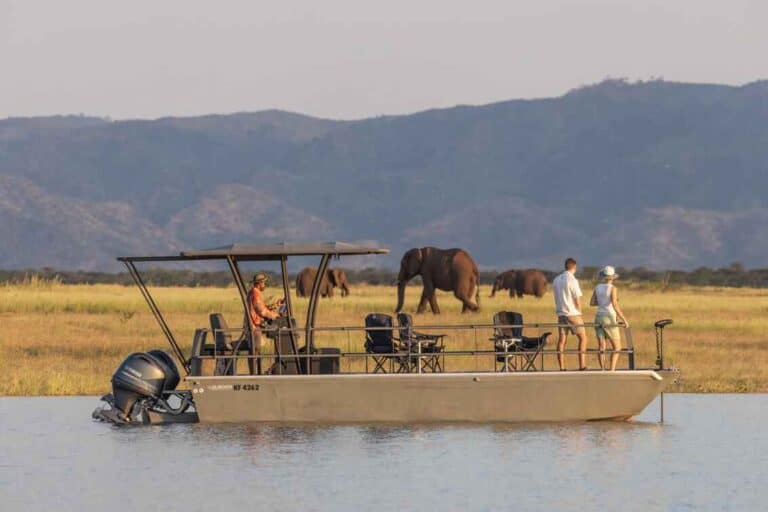
Day 7: Enjoy a full day immersing yourself into the activities of the lodge. Many (not all) lodges in this area overlook the Zambezi River, making this a completely different bush experience to that of Hwange. You might be able to canoe, enjoy a boat ride, experience a bush walk, and of course enjoy looking for wildlife on your game drive. Overnight at the camp.
Day 8: After your morning game activity and breakfast, you will be transferred to the airstrip for your flight to Harare Airport. Here you will connect with your onward commercial flight to your next country destination.
| Top Tip: Lodges in Mana Pools aren’t all open year-round due to the heavy summer rains. They are predominantly only open during winter. Check this before you book your flights. |
Visas for Entry into Zimbabwe
There are a lot of passports that do not require a visa to enter into Zimbabwe, but for those who do require a visa, you have a few options and you need to ensure you get the correct one, otherwise you could end up paying multiple times for a visa.
Some nationalities need to get the visa BEFORE they land in Zimbabwe, so make sure you check or you will be denied entry.
Single-entry visa
This visa is if you are going to enter the country once. You’ll fly in, enjoy your holiday, and fly out again.
Multiple-entry visas
This visa is for those people who want to travel to Zimbabwe, then they are leaving the country again, and then later will re-enter Zimbabwe. This is very common for people who want to cross-over the border between Victoria Falls (Zimbabwe) and Livingstone (Zambia).
For example:
- Some people book their flight into Victoria Falls (clear immigration)
- Their accommodation is booked on the Zambian side of the Falls in Livingstone (so they will go through Zambian immigration when they cross the border by road)
- Then they might be flying to Hwange National Park for their safari. This flight departs from Victoria Falls Airport so they will have to re-enter Zimbabwe (clear immigration again).
In the scenario above, they have entered Zimbabwe twice.
It’s also a common visa required when people want to see both sides of Victoria Falls (it’s interesting to view the water levels from the Zambian side, and then the Zimbabwe side during low water season). Read my best tips to visit Victoria Falls.
Kaza Visa
This visa allows you to cross over multiple times between Zimbabwe, Zambia and Botswana.
This Kaza UniVisa allows unlimited crossings between these countries for 30 days.
You would need this for example, if you flew into Victoria Falls, you are going to stay at a lodge on the Zambian side, and then you are going to extend on to Botswana.
Know your visas, know what you need to apply for otherwise immigration will just give you a single-entry visa and then a few days later you will realise you need another visa, and you have to pay again.
Painful. I know.
They should explain this travellers. I know.
They don’t do that. I know.
eVisa for Zimbabwe
Quite recently in 2026, Zimbabwe introduced online applications through their eVisa. This does help speed up the immigration part of your trip, but there are currently still delays so I would suggest keeping a black pen in your bag, just in case you do need to revert to the old style of manually completing a paper form.
What Clothing to Pack for Your Holiday to Zimbabwe
The days are usually warm to hot, so check which season you’re travelling in and pack accordingly. Summers can be super hot, and winter days are pleasant.
If you are travelling in summer, pack for rain. But also pack for the heat. If you are travelling in winter, pack for cold mornings and nights. Think in layers that you can peel off during the day.
You DO NOT need a lot of pairs of shoes. Honestly, one pair of sandals and one pair of sneakers are literally all that you need.
Unless you are staying at the 5* Victoria Falls Hotel or travelling on the Rovos Rail (luxury train) where there is a dress code, you do not need a lot. If you do want a fancier pair of shoes, just take one pair.
| Top Tip: If your itinerary includes bush planes, you are only allowed one piece of luggage that must be soft-sided, and the maximum weight is 20lkgs/ 44lbs per person. So make sure everything can fit into this bag. |
If you are staying at a camp or lodge either in Victoria Falls or on a safari, there are usually laundry facilities and sometimes this is included in the rate (check this out before you leave home!) so you can have your clothes washed at the camp.
Hotels usually have laundry facilities but this will be at an additional cost.
How to Get Around Zimbabwe
In Victoria Falls, the best and easiest way to get around is to book road transfers. Car rental is available but it’s not a popular option at all, and it is quite expensive.
Most tours that you book will also collect you and drop you off at the hotel again. Most tours. Not all. Please check this. If they don’t, you can book a transfer or ask the hotel to assist you in booking a transfer to the starting point of the tour.
The same with Harare – not many tourists travel to Harare ‘for fun’ ; it’s more of a business city but again if you are here, I would recommend that you book road transfers. Traffic can be a nightmare.
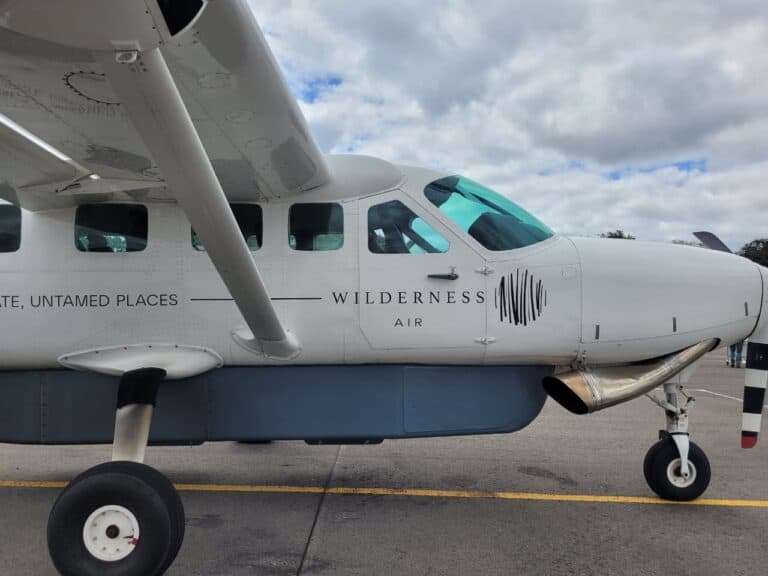
To get to and from safari lodges, the majority of travellers book and fly in bush planes. When you’re on limited time, it’s the best way. It’s also pretty awesome to spot elephants and giraffe from the sky, and it gives you a good overview of the land.
You can drive to some lodges and you need to check out beforehand which ones allow it. If you do rent a vehicle, then it must be a 4×4. Roads are not in the best shape once you leave the main cities and they become even more challenging if it’s been raining.
Also know that some lodges are in private reserves and you will not be allowed to drive yourself around looking for wildlife.
Currency & Money Tips for Zimbabwe
Even though the local currency is Zimbabwe Dollars, it is hugely undervalued against the US Dollar. You end up with a huge wad of bank notes that aren’t worth anything.
Years ago, travellers would try and save bank fees when exchanging money and would ‘buy’ cash from local people on the black market (completely illegal), but these sellers were actually conmen and once you’d walked away, you would realise that the middle stack of money in your hand was just blank pieces of paper.
Today, the US Dollar is the most widely used and accepted currency in Zimbabwe. Almost everything can be paid by card but when you are in a remote game lodge, the signal for the machines can go down.
If you are heading off to the markets for some curio shopping , it is a good idea to have small denominations of US Dollars in cash.
A few important tips:
- Bring clean, newer US Dollar notes if possible.
- Don’t use $100 bills.
- Avoid torn or heavily marked bills.
- Smaller denominations are incredibly useful for tips, drinks, curios and small purchases. Rather have $1, $5, $10, $20 bills.
- Keep some cash with you, especially when travelling between remote safari areas.
- There are ATMs in the towns, but they aren’t very reliable.
- Don’t forget to notify your bank at home if you are going to be using your card so it doesn’t get blocked.
If you’re travelling as a family, this becomes even more important. Having small amounts of cash available for snacks, quick stops, tipping, or unexpected purchases makes travelling much easier and less stressful.
Another tip many first-time visitors don’t realise is that safari camps and lodges are often all-inclusive, especially in wildlife areas. That means your accommodation, meals, game drives and sometimes even local drinks are already included, so you may not need as much spending money as you might think, once you arrive at camp. The only things you’d really need to pay for are any curios you might want, and tipping.
Tipping is standard in Zimbabwe’s tourism industry, especially for waiters, porters, guides, trackers and camp staff. If you’ve had an amazing safari experience, many travellers like to carry USD notes specifically for these gratuities.
Shopping for Curios
One thing travellers love to do is shop for local items and handmade crafts. You can find anything from paintings created by local artists, to hand carved wooden animals, to baskets and even jewelry.
The best places for curios are at the local markets in Victoria Falls. Take cash with you and have a good sense of bargaining as these vendors love to barter! They’ll give you a starting price, you suggest a lower price. They lower their price, you increase your price until you meet at a fair agreed price in the middle. Just have a smile on your face and do it respectfully; remember that these items are handmade and the seller is just trying to make an honest living to support his or her family.
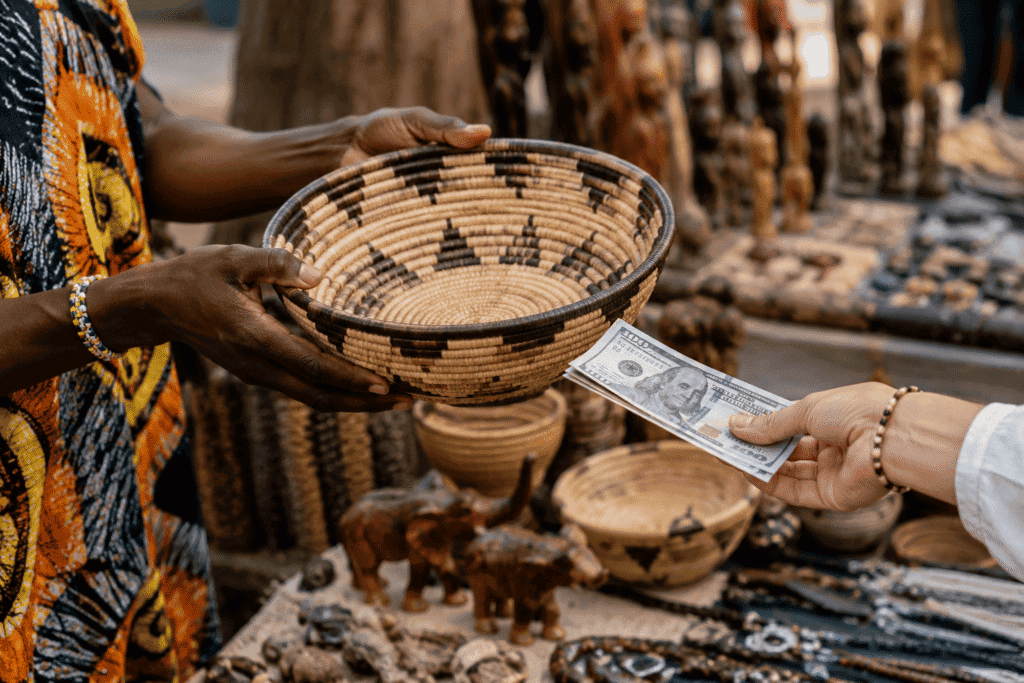
Take small denominations with you as vendors don’t usually have change. Don’t forget to take a bag with you when you go shopping, and be mindful of airline luggage restrictions if you want to buy larger items.
Otherwise, it is a really amazing country to visit and you will leave with happy memories.