Best Time to Visit Zimbabwe
Updated May 2026
The best time to visit Zimbabwe will depend on your reason for travelling there.
But in my opinion, there’s no ‘bad’ time to go to Zim – it’s one of my favourite African destinations.
And each season has its own highlights!
If you’re planning a trip to Zimbabwe, know the following about the four main areas of the country that people tend to visit the most in Zimbabwe. Timing and the season could make or break your safari if you don’t plan properly.
Let’s explore the best time to visit Zimbabwe, with a focus on these top destinations, their pros and cons, and what to expect throughout the year.
Seasons in Zimbabwe
Zimbabwe experiences two main seasons:
> the dry season (April to October)
> the wet season (November to March).
1. Victoria Falls
Best Time for High Water Levels: April to June
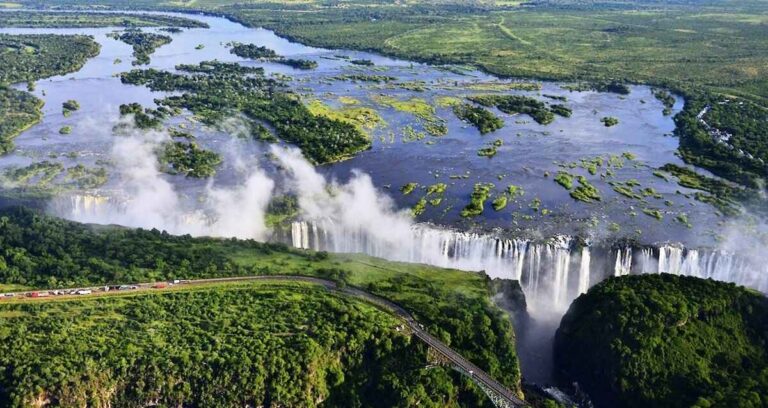
Victoria Falls, the actual waterfall, is known as “The Smoke that Thunders” because of the massive spray that drifts up into the air. It caused by the millions of liters of water falling into the gorge below.
The Victoria Falls is usually the main reason people travel to Victoria Falls. The falls straddle the border between Zimbabwe and Zambia.
Victoria Falls typically experiences its highest water flow between March and May, and then the amount of water starts decreasing until November when the seasonal cycle begins again.
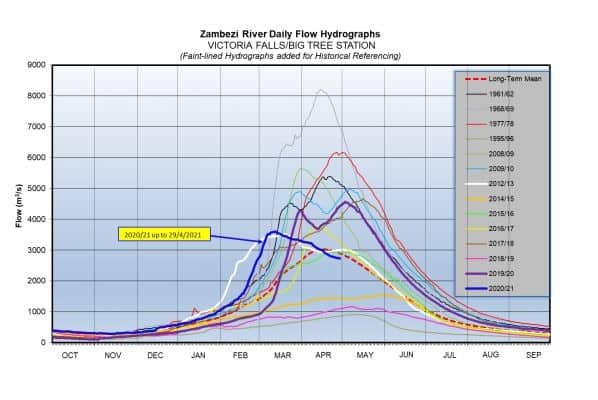
| Top Travel Tip: If visiting Devil’s Pool for a swim is an activity high on your priority list, then you should travel during low season (summer). Even though it does rain in Zimbabwe during summer, this is when water levels are lower and Devil’s Pool is likely to be open. During winter time, the flow of the Zambezi River (this leads into the falls) is usually too strong making Devil’s Pool dangerous as water levels are too high. |
Pros: After the rainy season (which is in summer), the Zambezi River is at its fullest, creating a massive curtain of water. The mist from the falls is huge, and the views are spectacular. This is the best time to see the falls in all their glory.
Dry season (winter) means clear skies and less humidity, making outdoor activities more pleasant.
Cons: If you are doing a tour of The Falls, the spray makes a thick mist that it can obstruct views at times. If you’re looking for photos, the heavy spray might be a challenge.
Summer: As Zimbabwe enjoys summer rains, the Falls can look less dramatic as water levels drop significantly, especially on the Zambian side. If you are staying on the Zambian side of The Falls during summer, you should book a tour of the Falls on the Zimbabwe side as the Zambian side practically dries up. Just don’t forget to apply for the correct visa on arrival.
2. Hwange National Park
Best Time: July to October
Hwange is Zimbabwe’s largest national park, and has incredible wildlife, including the beautiful “Big Five” (lion, leopard, elephant, buffalo, and rhino).
The wide-open spaces are perfect for game drives, guided bush walks, and safari adventures. And especially in winter, wildlife sightings are incredible.
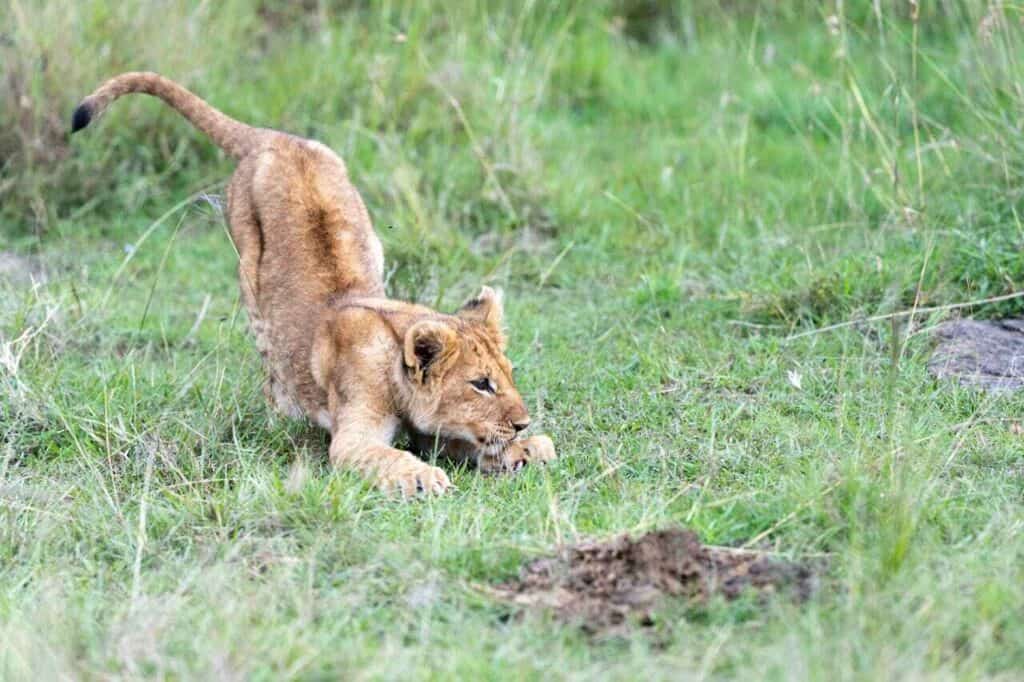
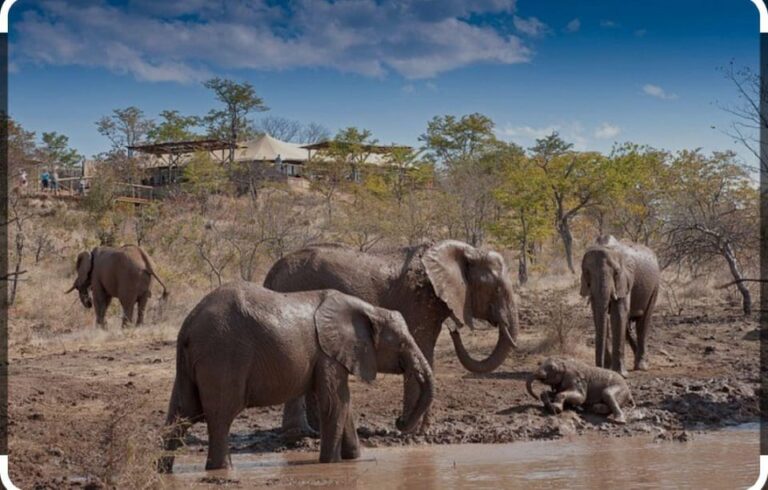
Pros: The dry season (winter) offers the best wildlife viewing. Animals gather around waterholes making it easier to spot them. The days are warm and sunny, while nights are cooler, making your evening game drives very comfortable.
Cons: In October, it can get very hot. Temperatures can get up to 40°C (104°F). Just be prepared as the camps and lodges in Hwange do not have air-conditioning. This i because camps run off solar power and cannot support air-conditioners. However, Wilderness Linkwasha does have a cooling system (NOT aircon) so that could be an option if this concerns you.
Wet season (summer – November to March): While the views are beautiful, lush and green, the thick vegetation makes it more difficult to spot wildlife. SOMETIMES airstrips can get flooded, but then you will either land at a different airstrip, or changes will get made to transfer you to camp by road.
It’s usually not possible to do guided walks during summer in some areas, as the grass is too long making it difficult to spot predators. On the flip side, its baby season so you are likely to see lots of cute animal babies running around.
3. Lake Kariba
Best Time: August to October
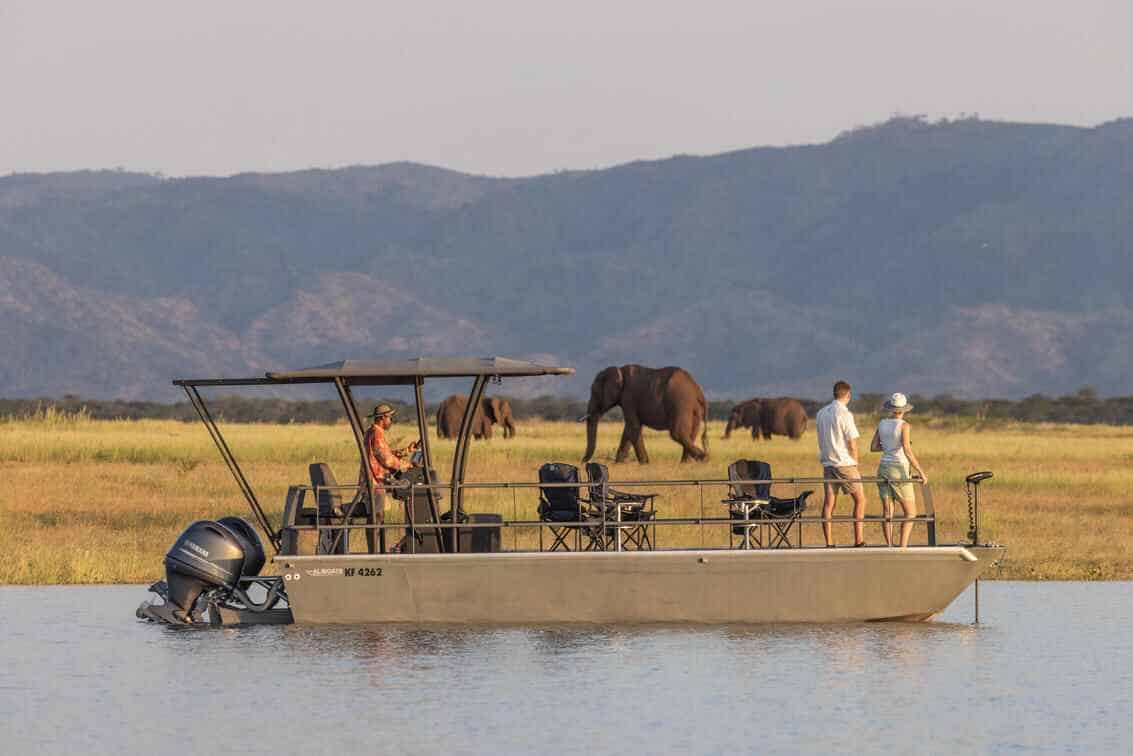
Lake Kariba is one of the largest artificial lakes in the world. It is massive. When you’re flying over it, you cannot see the one end from the other.
There are stunning views here, water-based safaris, and lots of time to kick back and enjoy some fishing. It’s also a prime spot for houseboat holidays and viewing wildlife that gathers along the shorelines.
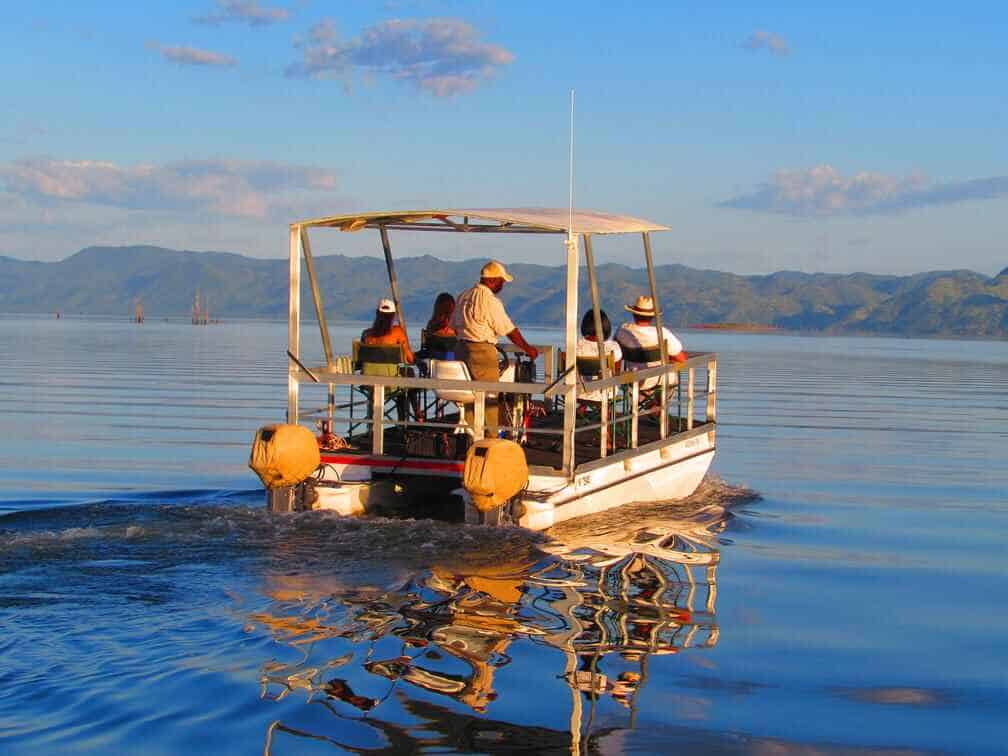
There is NO SWIMMING in the lake – crocs and hippos live here and you can never tell where they are.
Pros: The dry season means lower water levels, which exposes more shoreline and creates better wildlife spotting. The weather is warm but not too hot, perfect for outdoor activities and boat trips.
Fishing: This is the best time to try and catch a tiger fish.
Cons: Like in Hwange, October can be extremely hot, which might make outdoor activities during the middle of the day uncomfortable, but this is the perfect time to siesta. Or cool off in the pool with an ice-cold cocktail or beer in hand!
The wet season (summer – November to March): Heavy rains can cause flooding in some areas, and the high humidity may put you off. Remember, rain = humidity = bugs. Just be prepared.
4. Mana Pools National Park
Best Time: July to October
Mana Pools is a UNESCO World Heritage Site, and it’s different to the rest of the country. There are a lot of activities to enjoy here as you are so close to the Zambezi River.
The park’s floodplains attract a good mix of wildlife, keeping your game viewing interesting.
Actually, when I was last there, the birdlife was also amazing. There is such a variety so if you are a birdwatcher, definitely add Mana Pools to your list.
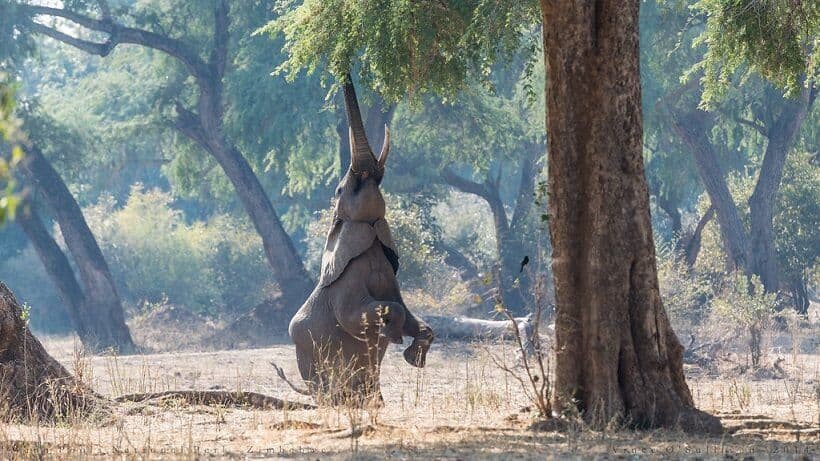
Pros: The dry season offers prime game-viewing opportunities. Large concentrations of elephants, lions, hippos, and other wildlife gather along the riverbanks as water sources dry up elsewhere.
Walking safaris: With fewer water sources, it’s easier to predict where animals will be, making guided walking safaris an unforgettable experience.
Photography: The dry season provides excellent lighting and clear conditions for photography.
Cons: Once again, October’s heat can be challenging.
Wet season (November to March): Mana Pools becomes lush and green, but roads are often impassable, and many camps close during the rainy season.
Wet Season (November to March): Is It Worth Visiting?
The wet season is not the most popular time to visit Zimbabwe, it is a special time and there are some advantages.
- Lush landscapes: The rains bring a vibrant green transformation to the scenery, which is ideal for photographers and nature lovers.
- Birdwatching: Some of the best birdwatching happens now, as migratory birds flock to the country.
- Lower rates: Fewer tourists mean less crowded lodges and attractions, as well as discounted rates on accommodation and safaris. And if you’re not sure, ask!
However, the wet season also comes with challenges, which if you’re travelling, you should be aware of to be able to make informed decisions about your travel, such as:
- Limited wildlife visibility: Animals disperse as water becomes more abundant, making them harder to spot.
- Bushier bushes: More vegetation also means it can be difficult to spot wildlife
- Impassable roads: Some parks, like Mana Pools, close down due to flooding, and road conditions in rural areas can become treacherous. Many luxury camps are closed during this time.
Summary of the Best Time to Visit Zimbabwe’s Top Attractions:
| AREA | BEST TIME TO TRAVEL |
| Victoria Falls | April – June for the full flow of the Falls September – November for adventure activities and clearer views |
| Hwange | May – September for best wildlife viewing and milder temperatures |
| Lake Kariba | May – October for boat trips, wildlife viewing & fishing |
| Mana Pools | May – October for walking safaris and game viewing along the river |
To Sum it All Up!
The best time to visit Zimbabwe really depends on what you want to experience.
For the best wildlife encounters and safaris, the dry season (July to October) is the best time to visit Zimbabwe, but it also means you’re travelling in peak season so accommodation rates are high.
Victoria Falls is best viewed after the rainy season in April, while Kariba is great pretty much year-round, with the dry season being optimal for wildlife viewing and fishing.
If you prefer fewer crowds, lush landscapes, and aren’t afraid of some rain, the wet season can also be a rewarding time to explore Zimbabwe’s natural beauty as you’ll also get to see lots of animal babies.