Your Guide to Taking Kids on Safari in Africa
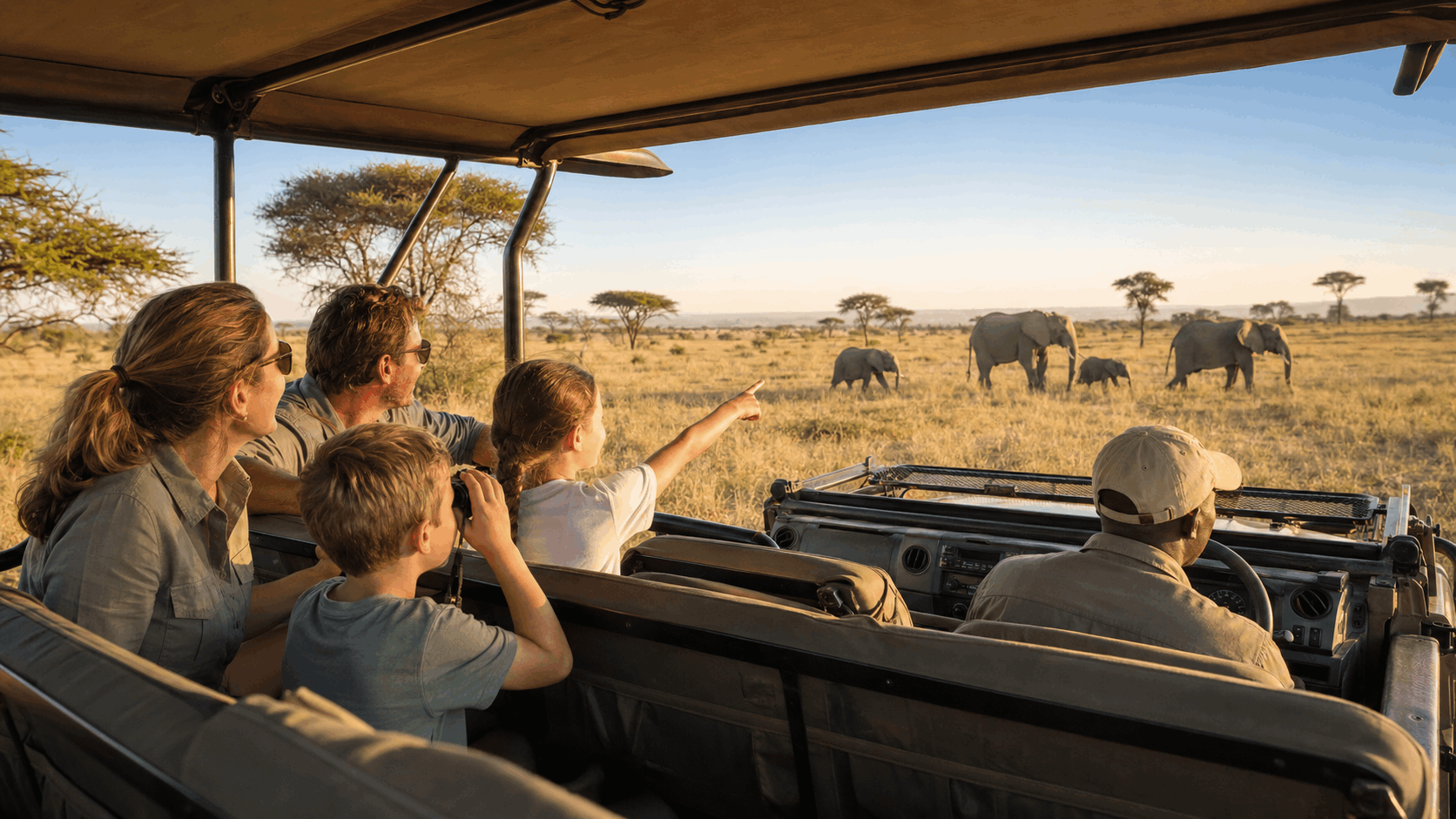
Taking your kids on safari in Africa is one of those family adventures you’ll talk about for years. Imagine their faces when they spot their first elephant, follow animal tracks through the bush or hear lions calling after dark!
With the right lodge and a little planning, a family safari can be exciting, educational and far easier than you might think. This guide will help you choose where to go, when to travel and how to plan an African safari your whole family will love.
What Age is Best to Take a Child on Safari?
The biggest restriction to taking children on a safari in Africa are the age restrictions set out by each individual lodge.
Many of the high-end luxury lodges don’t allow small children because they want a peaceful ambience for their guests.
Most lodges that are unfenced, across all African countries, have a minimum age limit as well and these may change from lodge to lodge.
However, in saying that, there are definitely lodges that do take young children, and lodges that are built to host families with kids of all ages.
Self-catering camps in the South African National Parks are basic but allow children of all ages, as do some that you will find on Bookings.com.
READ: Are safaris safe for kids?
Things to Consider When Looking for a Lodge
There are a few things you might want to consider when looking for, and choosing a lodge to stay at.
- What is the age policy?
- What activities are children allowed to join?
- Which activities have age limits?
- Does the property have a fence around it?
- Is there a swimming pool and is it fenced?
- Does the lodge have a play area inside and outside for kids?
- Does the lodge offer baby-sitting facilities? What is the cost?
- Is there any sort of junior ranger programme available?
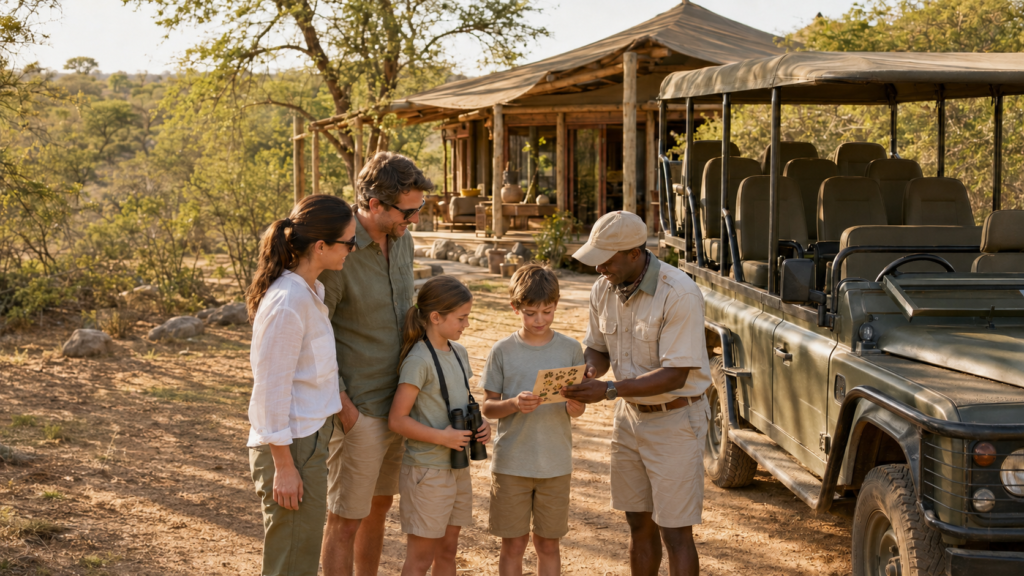
- If children can go out on game drives, are they flexible? if your child starts crying and wants to go back to the lodge, will they turn around and go back? (this is usually why families often have to book a private vehicle).
READ: How much does an African safari cost for a family?
Which Countries in Africa Will be Great for Kids on Safari?
We’re talking about Africa! The second largest continent on the globe. You can do safaris in India, Canada and other places, but we’re talking the traditional type of Big 5 places.
Some countries are just better suited to families (especially with younger children), than others when you’re thinking of taking your family on a safari adventure.
In Africa, the safari world is loosely ‘separated’ into two main areas: southern Africa and East Africa. They are the same… only different.
Safaris for Kids in Southern Africa
If you’re planning a safari for your family and not sure which countries will be best, here’s a quick overview of the African countries where you can do a suitable safari with your family.
You can go just about anywhere, but the ones I am recommending are especially good if this is your first time.
In all honesty, if you want the short answer, South Africa and Namibia would be the safest and most entertaining for younger children, but let’s take a look at each country in a little more depth.
- South Africa is great, especially for first time safari families. It’s easy to get around, you have the option of malaria-free game reserves and there is a huge variety in accommodation styles. We’re talking anything from camping to ultra-luxury safari game lodges. You will be able to find a safari lodge or camp suited to your children’s ages as there is a huge variety to choose from. In addition, you can also explore Cape Town, visit Sun City, and take a road trip up the Garden Route. They don’t call South Africa ‘A World in One Country’ for nothing!
- Namibia is a really great choice for family travel, especially if you’re going to rent a car and do a road trip. You can book bush planes and fly around if you want to save time, but these are, of course, more expensive. Namibia is one of the safest countries in Africa, there is almost no malaria, and camps that do take children are very well prepared for kids. In addition, just about every place has a swimming pool because it’s often really hot (being mostly desert) and what child doesn’t want to just run and jump in a pool? Do your homework before you go as wildlife isn’t prolific as it is in other countries – you can visit Etosha National Park, and you do find desert adapted animals in other areas, but do your research and plan accordingly.
- Zimbabwe borders South Africa to the north and its one of my favourite places for an African safari. You can also make a stop in Victoria Falls for a couple of nights which is always fun, yes for children too! and then head off to Hwange National Park. If it’s the dry season (April – November) add Mana Pools National Park to your itinerary as well. You can create a great circuit itinerary in Zimbabwe with loads of amazing activities included, and these vary depending which area you stay in. Check on the minimum age restrictions and look for a suitable camp.
READ: How to Plan a Family-Friendly Safari in Zimbabwe
- Zambia is north of Zimbabwe, and while it is a big country, it’s a sparsely populated one. Most of the country is made up of national parks, game reserves and protected land, so when you travel here, you will be remote. There are a few lodges that are great for families, but Zambia is known as the home to the walking safaris and this is definitely not suitable for younger children, and it’s not allowed for safety reasons.
- One of the most popular countries for a safari adventure is Botswana. It’s well known for the Okavango Delta and the annual flooding which brings in a whole flush of new experiences, and there is an interesting variety of activities depending on the lodges that you stay at. But be aware that some of the activities are only available to children older than 13 years, because they are considered more risky. Botswana is PACKED with wildlife. Getting around the country is generally by bush plane, especially in the Delta but there are areas you can explore where you can self-drive with kids. I would look at Chobe National Park or a camp in the Makgadikgadi Pans if I were travelling with young children.
- Malawi is a tiny, landlocked country and more well known for its massive Lake Malawi, which is the third largest lake in Africa and takes up about a fifth of the country’s space. There are game reserves and lodges here which are perfect for a peaceful safari family getaway, and perfect for you to combine with a bit of a beach vacation along the shores of its freshwater lake.
Safaris for Kids in East Africa
- Kenya is known as the home of safaris and they do it well. There are definitely lodges that accommodate families travelling with children and getting around is either by bush plane, booking a guide and vehicle, or renting a car and self-driving. Kenya is a big country so if you’re going to drive, take into account the long distances when planning, like hours in a car.
- Tanzania is also a good option for families wanting a safari and is also a big country. Getting between the main reserves and parks, such as Lake Manyara and Ngorongoro Crater and the Serengeti, will take a good few hours on the road. It all depends on what you’re looking for and how your like to travel. You can end your safari with an island visit to Zanzibar which is perfect for families.
- Uganda lies next to Rwanda and the Uganda Wildlife Authority stipulates the minimum age for gorilla trekking here is 15 years old. But there are lots of other great areas to explore with your family such as the Queen Elizabeth National Park, you can stay on the River Nile, experience cultural visits, enjoy white-water rafting and do lots of other incredible things too.
Best Time of Year to Go on an African Safari with Kids
The best time of year to go on an African safari with kids depends on what matters most to your family, as each season offers a different experience.
Broadly, Africa has two main seasons: the dry season and the wet season (or otherwise known as the green season – because all the plants are growing and green).
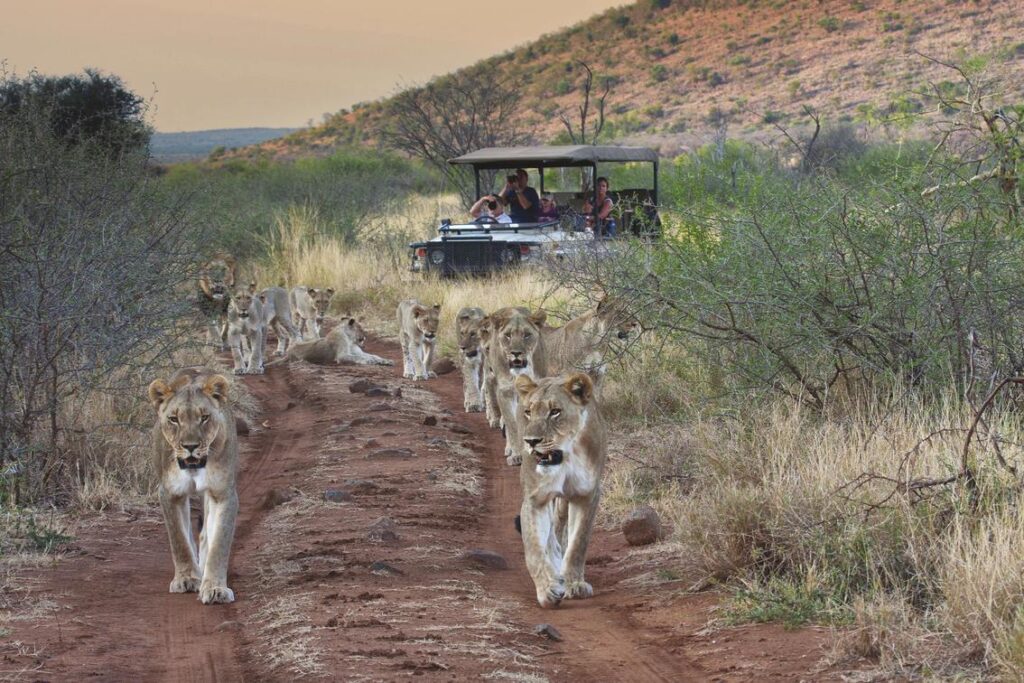
The dry season (which is also winter), typically from May to September in many safari regions, is considered peak season because wildlife visibility is at its best. Animals gather around water sources, vegetation is thinner, and game drives are more predictable, which is ideal when traveling with children who may have shorter attention spans.
The weather is also cooler and more comfortable, especially in the mornings and evenings, although it can get quite dusty.
The downside is higher prices, more people, and you need to book well in advance.
In contrast, the wet season (summer), usually from around November to April, is quieter and more affordable, with lush landscapes, fewer tourists, and excellent birdlife. However, wildlife can be harder to spot due to the thick vegetation, and the brief summer storms could halt your game drive.
If you are travelling for a specific experience, timing becomes even more important: for example, the best time for witnessing the Great Migration in the Serengeti is typically between June and October.
For families, consider shoulder season, so around February – May and again from around September to November. This is the sweet spot between good wildlife sightings, comfortable weather, and more reasonable pricing.
Where to Stay on an African Safari with Kids
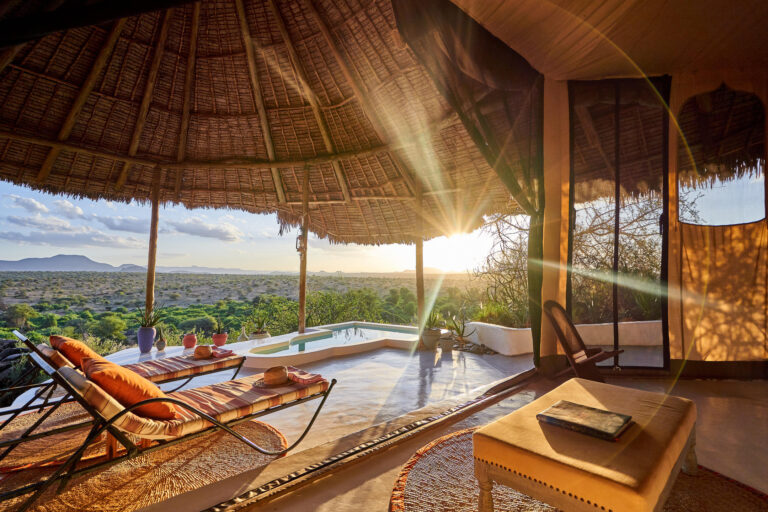
Where you stay on an African safari with kids can make a huge difference to how relaxed and enjoyable your trip feels, and you don’t need to go ultra-luxury to have an incredible safari in Africa. There are plenty of well-run, comfortable options that balance comfort with great wildlife and family-friendly setups.
In popular safari areas like the Kruger National Park, parts of Kenya, you’ll find lodges that offer all the essentials—comfortable rooms, good food, and guided game drives—without the high-end price tag. These stays are often more down-to-earth, which can actually make them feel more welcoming and less formal, especially when travelling with kids.
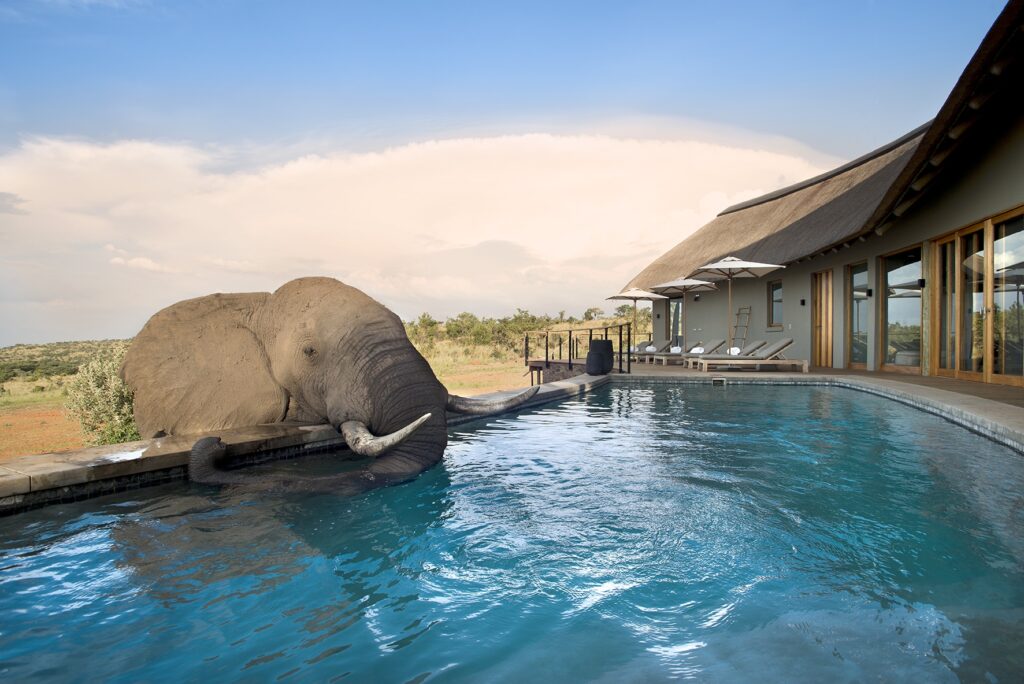
Boutique-style lodges and smaller camps are another great option, offering a more personal and relaxed atmosphere. You’ll find these in private reserves, conservancies, or quieter safari areas where there are fewer vehicles and a bit more space to explore. What makes them special is the attention to detail and the more hands-on hosting—you’re not just a room number, and guides often go the extra mile to make the experience fun for kids. These are ideal for families who want something a little more unique and memorable, but still practical and comfortable.
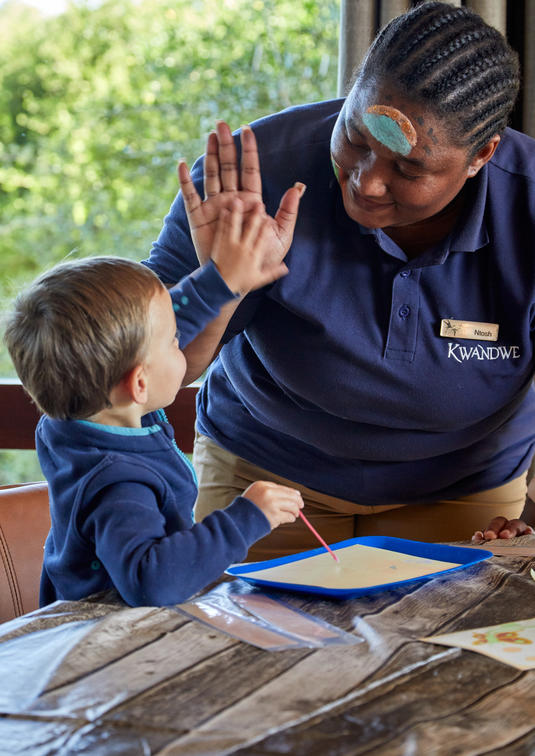
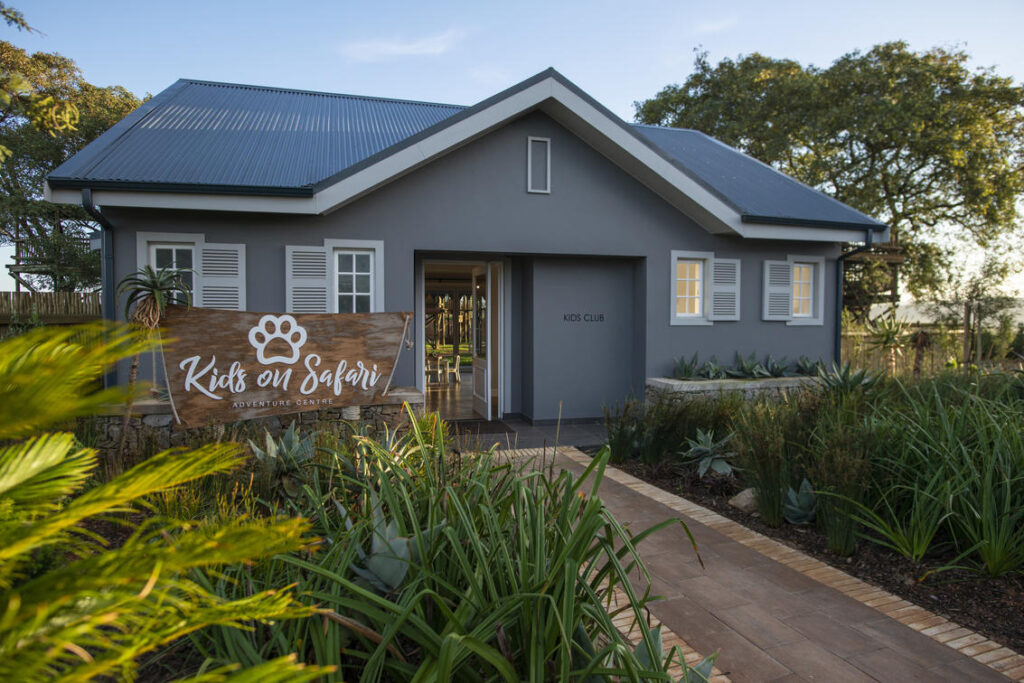
When travelling with kids, it’s also worth looking specifically for places that are set up with families in mind. A lot of lodges and camps only have one family room; large lodges might have more. But the lodges geared for families have dedicated staff for the children and activities are designed to keep children engaged, like shorter game drives (sometimes called a ‘bush bumble’) or simple nature-based learning.
For example, Ant Africa Safaris in South Africa, and Tswalu Kalahari Private Game Reserve. These are just two lodge the lodges that are exceptional at hosting families.
Some even have small play areas or “junior ranger” style activities. What really makes these stays stand out is how easy they make everything—from mealtimes to daily routines—so parents can kick back a bit and relax.
Best Activities for Kids to do on a Safari in Africa
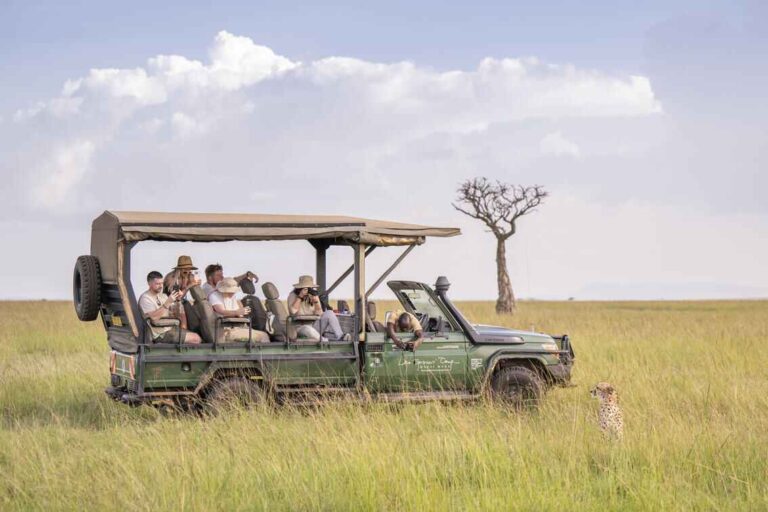
A safari with kids is so much more than just spotting animals, and the best trips include a mix of experiences that keep things exciting, interactive, and varied. Game drives are, of course, the main event, but with kids it’s all about how they’re done.
Many lodges offer shorter, more engaging drives for children where guides turn sightings into stories—tracking footprints, explaining animal behaviour, and getting kids involved rather than just sitting and watching.
Boat safaris, where available in places like Chobe National Park in Botswana, the Zambezi River and the Okavango Delta, are another must-do, offering a completely different perspective with close-up views of elephants, hippos, and crocodiles from the water. These rides are peaceful and relaxing. Sometimes it’s actually how you get from the airstrip to your lodge!
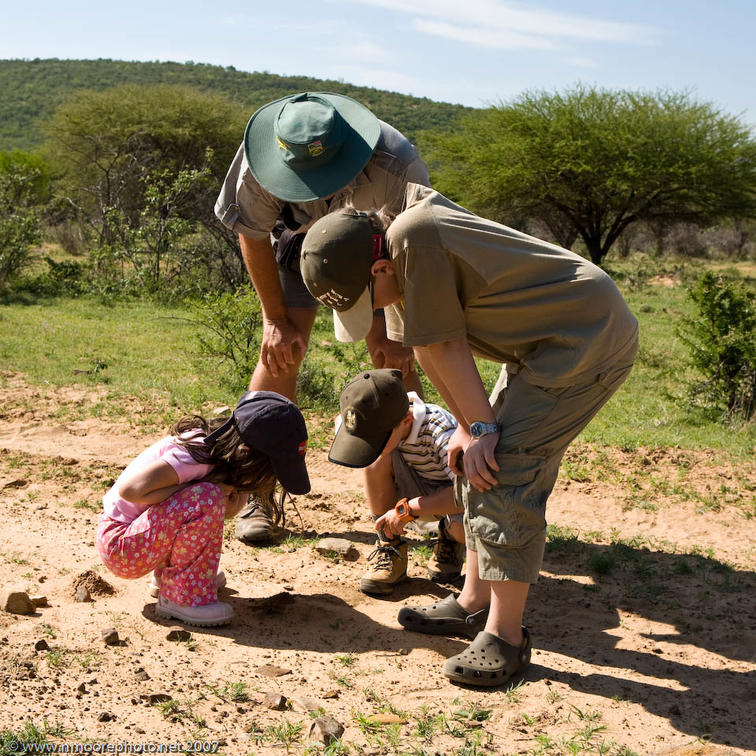
Beyond the classic safari, there are some fantastic hidden gems that kids absolutely love. Guided bush walks (usually for slightly older children) turn the focus to the smaller details—tracks, insects, plants—which they love!
If you’re staying at a fenced lodge (ie there is a fence around the lodge), children are safer and can go on short walks with the guide to spot these same things.
Night drives are a lot of fun, giving kids the thrill of spotting nocturnal animals like bush babies, genets, and even predators on the move.
In certain areas, you’ll also find unique experiences like visiting a habituated meerkat colony. Kids love that type of activity (and so do parents!). Some lodges also have a “junior ranger” programme where kids can learn basic bush skills and earn a certificate, which adds a fun sense of achievement to the trip.
Visiting a traditional village is a great place to learn about different cultures and give kids a broader understanding of where they are. Sometimes you can visit a local school and even taste local dishes. These experiences can be a meaningful way to learn about daily life, traditions, and other cultures in a respectful and engaging way.
Scenic highlights like waterfalls, viewpoints, or even a simple sunset picnic in the bush are always exciting and break up the routine of game drives.
In places like Victoria Falls, older kids can get involved in more adventurous activities, while younger ones can enjoy guided walks, cruises and even some fishing.
Why Are There Age Restrictions on Game Drives?
If your child does have an unexpected meltdown when an elephant comes close it could put everyone else in danger. Young children are usually not taken close to the Big 5 for safety reasons, but it really depends on the behaviour of the child, and ultimately it is the guide’s decision. Most lodges have age restrictions for certain activities so check this out before you book.
What a Typical Day on Safari Looks Like
First-time safari travellers often don’t realise how early the mornings start or that there is often a long break during the middle of the day.
As awesome as they are, safaris can be quite exhausting and people often ask for a lie-in and choose to miss one of the morning game drives. There’s nothing wrong with that, and sometimes when everyone else has gone out on a game drive and the camp is quite, animals do tent to wander past the lodge.
Typical Day
A typical day at a safari lodge will look something like this:
05h00 – 06h00 Early morning wake-up call, grab some coffee or hot chocolate and a rusk, and head out with your guide.
06h30 – 10h30 Morning game drive including a snack stop
11h00 Brunch at the lodge
12h00 – 16h00 Siesta time at the lodge
16h00 High tea at the lodge
16h30 – 19h30 Afternoon game drive
20h00 Dinner at the lodge
The above is an example of a typical day. The timings are also an example and will vary depending on the season and the lodge itself. Some lodges offer night drives, some have other activities like boating, fishing, horse-riding and more which can be done in place of the game drive, or after you return to camp from your morning game drive.
The camp manager will chat to you about all of these things when you arrive, so don’t worry, you won’t miss out on anything.
| Top Tip: If you have booked a private vehicle, you can come and go as you please. Request for a packed picnic lunch and your guide can take you out for the entire day, leaving in the morning when you’re ready, and return in the evening. |
Game drives generally last 3 – 4 hours. It depends on what you see. If you’re following a hunting lion, you might be out longer. If everyone decides to call it a day, you might be back earlier.
What to Pack for Children
To ensure your kids are comfortable and will have the time of their lives, there are a couple of things to consider taking with you.
- Warm layers for early morning and late game drives
- A sunhat, sunscreen and insect repellent
- Comfortable closed shoes
- Neutral, comfortable clothing
- A small pair of binoculars for each child
- Quiet activities for flights, transfers and downtime
- Familiar snacks where permitted
- Any essential medication (in hand luggage only)
- A reusable water bottle (some lodges give these to you)
- A small backpack
Don’t forget that if you are flying in small bush planes, there are strict baggage limits that you have to stick to so don’t pack everything ‘just incase’; only take the essentials.
Will My Kids Enjoy the Food on an African Safari?
Do not think you’re going to arrive in Africa and have to eat the weird and wonderful! I’m thinking of things like ‘walkie-talkies’ – those are cooked chickens heads and feet and very popular with some people. No, you don’t have to eat that.
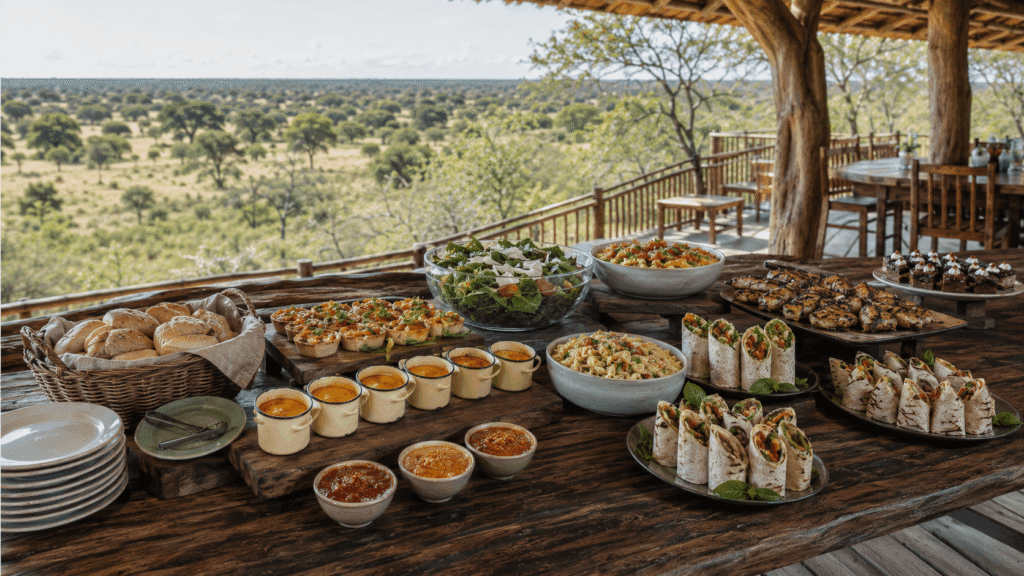
Africa has all the usuals that you will find at home, so you don’t need to be concerned that your child is going to starve on this African family safari adventure! Pizzas, pastas, burgers, salads, wraps, steak & chips – you name it, its most likely here.
A tip that I would give you is, if you have a child who prefers plain food, or who is a bit fussy, give the lodge a heads up when you book, and at the same time, give them some ideas of the types of food your child will be happy to eat so they can prepare. They are more than happy to cook up what your child enjoys, but they do need advance notice as food is generally trucked or flown into these remote areas weekly or bi-weekly, so they’ve got make sure they have the ingredients available as it cannot be ordered on the fly.
Some dishes you might like to try that aren’t too far ‘out there’ are things like:
- Pap & wors (pronounced pup and vors)
- Bobotie
- Bunny chow (don’t worry, no bunnies used to make this)
- For something sweet, try malva pudding (this is SO good!)
When you’re on a safari, meals can be so much more than just food. It becomes an entire experience and is so memorable. Sometimes you might have a surprise bush dinner or breakfast at a safari camp.
Some lodges have a boma night around a fire with a delicious spread set out for all of the guests, and if you’re in an African city before or after your safari, book a meal at a restaurant and go out!
There are so many types of restaurants from local fares to fine dining to dinner on a sunset cruise. It all depends where in Africa you are, and what you feel enjoy.
Practical Travel Tips When Travelling with Kids to Africa on a Safari
Always check with your local embassy or consulate for the country you are travelling to, for the most updated advice as it does change.
Passports
Passports must obviously be valid and usually valid until at least 6 months after your return date – but this changes from country to country.
Visa
Depending on your nationality, some countries may require that you get a visa before you travel, some don’t require a visa, and some allow you to apply for one on arrival. They are all different so make sure you do your homework!
Currency
Also know what currency you can spend in your safari country. Usually, US Dollars are accepted except in South Africa and Namibia. You can often tip in US Dollars, but you can’t go shopping. In South Africa you need South African Rand (ZAR) and in Namibia they have the Namibian Dollar (NAD) but they also accept South African Rand. The exchange rate between ZAR and NAD is 1:1.
Otherwise, US Dollars are accepted pretty much everywhere else, especially if you’re leaving a tip. The dollar has so much more value than the local currencies in Africa and people are usually very happy to be tipped in dollars. It is also a good idea to have some of the local currency in cash but chat with your guide to find out if that is necessary.
Health Requirements
Health is a big one, especially when travelling with children. Check with your local travel clinic before you travel. The biggest concern usually is malaria and there are various types of medications you can get but unfortunately some do have side effects which can make you feel a bit nauseous. There are things you can do to lessen the risk of getting bitten, but if you really want to be sure, then travel to a game reserve in a malaria-free area.
Make sure you also check for yellow fever requirements if travelling to East Africa. If you need it and you don’t have proof of your vaccine, you can be denied entry. But usually you’ll be denied entry because you have to have it at least 10 days prior to travel. Some people are exempt, like the elderly and some pre-existing conditions, but you need a letter from your doctor regarding the exemption and why you haven’t had the yellow fever injection. Back in the day, you could sometimes get jabbed at the airport on arrival, but that isn’t so common anymore and to be honest, I wouldn’t risk it as you still might be denied entry.
I also always travel with my own small first aid kit just with the basics incase – rather be prepared and the small kits don’t take up a lot of packing space.
Travelling with Minors
When travelling with children, check the entry requirements for every country on your itinerary, including any country you will transit through. Depending on your nationality and whether one or both parents are travelling, you may need an unabridged birth certificate, parental consent letter or additional supporting documents. Requirements can change, so confirm them with the relevant embassy, consulate or immigration authority well before your departure date.
Things to Know Before You Go
Travelling to Africa with children is an incredible opportunity to introduce them to new places, people, cultures and ways of life. A little preparation will help your family feel more comfortable and avoid some of the most common safari mistakes.
Common Mistakes Families Make on Safari
- One of the biggest mistakes parents make is trying to fit too much into one trip. Distances in Africa can be much greater than they appear on a map, and travelling between safari areas may involve long road transfers, small aircraft and time spent waiting at airstrips and airports. A slower itinerary is often much easier—and far more enjoyable—with children.
- Another mistake is planning every day around long game drives. Some children will happily spend hours looking for animals, while others will lose interest after the third impala! Try to include some downtime at the lodge, a swim in the pool or a shorter child-friendly activity.
- Don’t assume that your children will automatically be allowed to join every activity. Game drives, bush walks, mokoro excursions and boat trips may have different age restrictions. Ask for the lodge’s exact policy before booking rather than relying on a general age guideline.
- Families also sometimes assume that they will have a private safari vehicle. Unless this is specifically included or you have paid for one, you may share your vehicle with other guests. A private vehicle can be well worth the additional cost when travelling with younger children because it gives you so much more flexibility.
- Avoid packing only for hot weather. Early-morning and evening game drives can be surprisingly cold, especially during winter. Pack layers, warm jackets and hats as well as your summer clothing.
- Finally, don’t promise your children that they will see a particular animal. Wildlife sightings are never guaranteed. Instead, help them become excited about everything they might discover—from a lion or elephant to animal tracks, dung beetles and brightly coloured birds.
Travel Misconceptions
A common misconception is that Africa is one country where every destination offers the same type of safari. In reality, a family safari in South Africa can be completely different from one in Kenya, Botswana or Namibia. The wildlife, landscapes, activities, seasons and style of accommodation all vary.
People also sometimes assume that Africa is always hot. While daytime temperatures can certainly be high, desert areas and safari destinations can become extremely cold at night and during the early mornings.
Another misconception is that going on safari means roughing it. You can camp if you want to, but safari accommodation ranges from simple self-catering camps to comfortable family lodges and some of the most luxurious properties in the world.
You also won’t have lions and elephants wandering past you every five minutes. Safaris involves patience, and sometimes you may drive for quite a while before finding an exciting sighting. That is part of the experience—the animals are wild, and the bush is not a zoo.
Lastly, don’t assume that a safari is only suitable for adults. With the right lodge, a sensible itinerary and activities chosen for their ages, children can have an incredible time. They may not remember the name of every animal they see, but they will remember the excitement of following tracks, watching elephants at a waterhole and falling asleep to the sounds of the African bush.
Is an African Safari with Kids Worth It?
Taking children on an African safari does require a little more planning, but it is absolutely worth it.
The key is choosing a destination and lodge that suit your children’s ages, checking the activity restrictions before you book and allowing enough downtime between game drives. You don’t need to plan the most expensive safari or squeeze several countries into one trip. A well-paced itinerary at the right lodge or two, will give your family a far better experience.
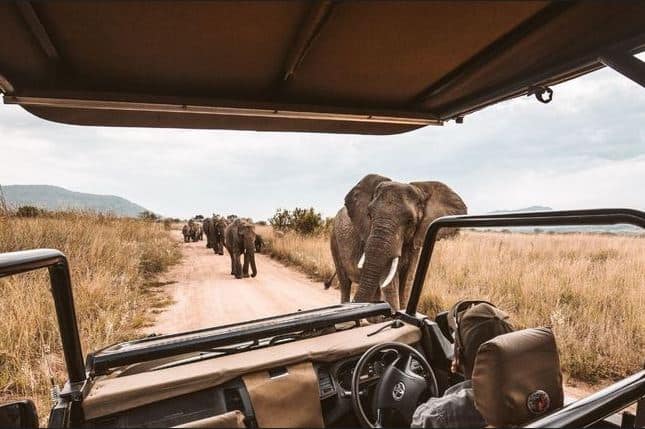
Your children may not remember the name of every animal they see, but they will remember the first elephant that walked past their safari vehicle, the excitement of following animal tracks and the sounds of the bush as they fell asleep at night.
A family safari is more than a holiday. It gives children the opportunity to experience wildlife in its natural environment, learn about different cultures and understand why Africa’s wild places are worth protecting.
Plan around your children, keep your expectations realistic and leave a little room for the unexpected. Those unplanned moments often become the stories your family talks about for years.
Help Your Children Get Excited About Their Safari
Kids Safari Club introduces children to African animals through wildlife mysteries, activities and hands-on learning. It’s a fun way to help them learn about the animals they may encounter before, during and after their safari.