
Winter is the Best Time to Go on Safari
Summary
The best time to go on safari is during the winter months, when cooler temperatures, less vegetation, and fewer insects create ideal conditions for wildlife viewing and a more comfortable experience.
When planning your African safari, one of the best-kept secrets is that winter is the best time to go on safari.
While summer may seem like the obvious choice, the dry season safari offers a range of advantages that make winter the optimal time for wildlife sightings during winter.
Just be aware this this is now high season for safaris, so the rates do go up.
From cooler temperatures to easier wildlife viewing, here’s why you should consider booking your next winter safari.
1. Easier Wildlife Viewing
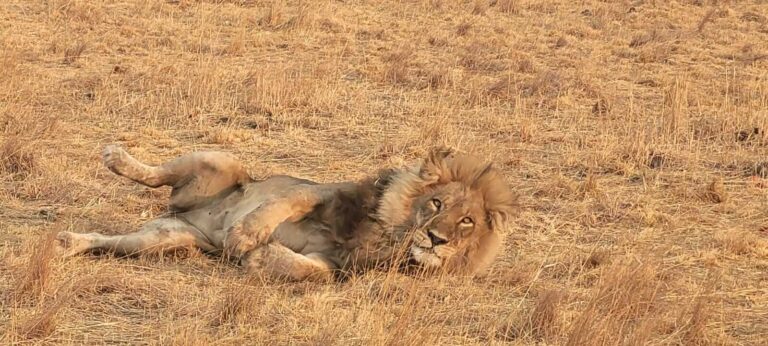
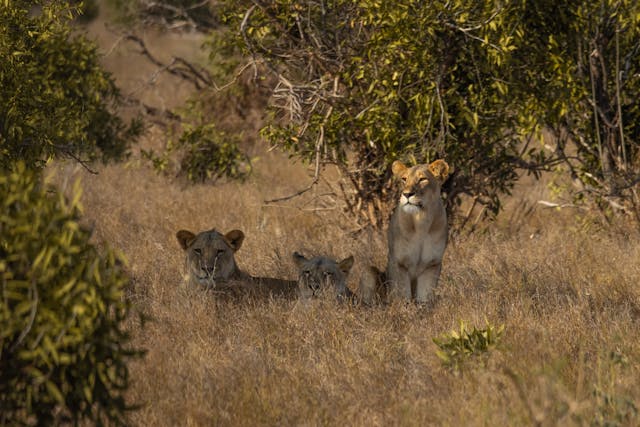
One of the major benefits of a winter safari is the reduced vegetation. During the dry season, the dense foliage that often hides animals is much thinner, making it easier to spot wildlife.
Whether you’re on a game drive or walking through the savannah, safari wildlife viewing becomes significantly better.
Plus, the lack of rain means that animals are drawn to the waterholes, where you’ll see larger gatherings, providing a unique opportunity for wildlife concentration at waterholes.

2. The Cool Temperatures Are a Relief
Another reason winter is the best time to go on safari is the cooler temperatures on safari. African summers can be unbearably hot, but winter temperatures are far more pleasant, especially during the day.
It’s perfect for game drives, as you can enjoy the action without being overwhelmed by the heat.
Safaris in Africa during winter offers temperatures that make for a comfortable safari experience, so you can enjoy the wildlife without breaking a sweat.
3. Reduced Bugs and Flies
In summer, bugs can be a huge pain, and we receive a lot of complaints about this, even though people are in the middle of the bush, in Africa, where bugs are found.
But in winter, in addition to the more comfortable daytime temperatures, there is definitely the added benefit of reduced insects on safari.
With fewer mosquitoes, flies, and other pesky bugs, you can enjoy the almost bug-free experience (you are still in the bush, after all) of the African wilderness.
The cooler weather means that these insects are less active, so you can spend your time focusing on the stunning landscapes and fascinating wildlife rather than constantly swatting away bugs.

4. A Cooler, More Comfortable Stay
While daytime temperatures are pleasant, winter nights in Africa can get quite chilly.
The drop in temperature is a notable feature of the African safari climate during the cooler months, but don’t worry – most lodges offer extra blankets and hot water bottles to keep you warm.
To make the most of it, pack your clothes in layers, as layering clothes for safari will allow you to peel them off as the sun rises and then layer them up again as the sun sets.
5. Walking Safaris are Possible
During summer, walking safaris, or even shorter bush walks are stopped because the grass is longer due to the summer rains. This means it is more difficult to spot any dangerous animals.
But in winter that all changes. No rain means shorter grass which means better visibility making it safer to go out on a walk WITH an experienced guide. (Never go walking alone).
Final Thoughts
In conclusion, if you’re considering your next safari trip, keep in mind that winter is the best time to go on safari. With cooler weather, fewer insects, and optimal wildlife viewing, your winter safari will offer experiences that are hard to beat.
Don’t forget to pack appropriately for the winter travel and get ready to enjoy the beauty of Africa in the cooler months.