
Are Safaris Safe for Kids?
Safaris are amazing! Getting out into the bush with no traffic, and minimal people and only bush sounds… *sigh*.
But many parents wonder, “Is it safe to take our kids on a safari?”
The good news is that safaris can be safe for kids, provided you choose the right lodge, are mindful of potential risks, and adequately prepare for the trip.
In this post, I’ll tell you about the things that I’ve learned over the years and how you can have the best safari time with your family in Africa!
And if you’re interested in a family safari, here are some lodges in South Africa that are great for families travelling with young children.
READ: Your guide to taking kids on safari in Africa
Wild Animals
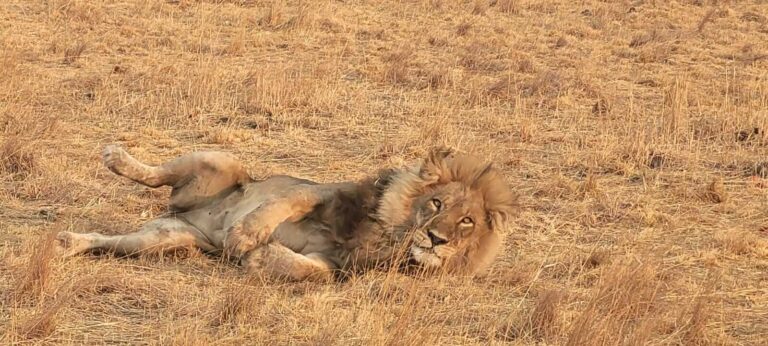
Finding a pride of lions, or spotting a hyena, or looking to tick the Big 5 off your animal-finder sheet is one of the highlights of a safari, but in all honestly, they can also pose risks, particularly for young children who may not fully understand the importance of staying quiet and still during game drives.
Most lodges don’t allow children under the age of 6 on game drives simply because of the risks it could impose on themselves, other travellers, and the guide.

It’s exhilarating enough when a lion walks right next to your game vehicle and you are sitting on the side of the car, but a child might get scared and cry or move around, attracting the attention of said lion.
- Game Drives: Many lodges have age restrictions for game drives, often allowing kids aged six and up. For younger children, some lodges offer specialized “kiddie safaris” with shorter durations and a focus on less dangerous wildlife like giraffes and zebras.
- Private vehicle: At some lodges you have to book a private vehicle (additional cost) if you are travelling with children under a certain age. All lodges are different so make sure to check this before confirming your booking.
- Fenced Lodges: Staying in a fenced lodge can minimize the risk of dangerous wildlife wandering too close to your accommodations.
- Wildlife Interaction Rules: Teach kids the importance of following the guide’s instructions and keeping their arms and legs inside the safari vehicle at all times.
| Tips for Parents: > Carry snacks, water, and quiet toys to keep kids entertained during drives. > Choose lodges with child-friendly activities to balance out long game drives. |
Weather and the African Climate
The weather plays a crucial role in determining how safe and comfortable your safari will be for young kids.
Check the climate and average temperatures and rainfall expected for the country that you are wanting to go to, so that you can be prepared.
And the weather in every country is different, so do your research on each country before you book.
South Africa’s climate varies by region, we have many different distinct climatic zones, but safari destinations, such as the Kruger National Park area, typically experience warm to hot weather.
- Summer (October to April): Temperatures can soar to 40°C (104°F) in some areas. In the more northern parts of the country, summer also brings rainfall, which can increase humidity. The heat might be uncomfortable, dehydration is a concern, so it’s essential to stay hydrated and wear breathable clothing.
- Winter (May to September): This is the dry season and a popular time for safaris. Again in the northern areas of South Africa, daytime temperatures are mild, ranging from 20–25°C (68–77°F), but early mornings and evenings can range from chilly to freezing (not freezing like in Europe, but remember that you’re usually in tented accommodation). Pack layers to keep kids warm during game drives.
| Travel Tips: > Game drives are done during the cooler parts of the day, such as early mornings and late afternoons. > Bring sunscreen, hats and light, long clothing to protect against sunburn and insect bites (many lodges do have sun screen but you can always bring your own to be prepared). > Game lodges do provide fresh, clean water at all times. |

Malaria Concerns
Malaria is one of the biggest concerns for parents considering a safari with young kids and it is found in many places across Africa.
But remember, not all mosquitoes carry malaria. If you are bitten by a mozzie, it does not necessarily mean you are going to get sick.
Always check with your local travel clinic for the latest information on malaria and ask them foradvice if you are concerned.
- What to Do:
- Consult a doctor or your local travel clinic before your trip to discuss malaria prophylaxis for children. Not all medications are suitable for young kids, but your healthcare provider can recommend safe options.
- Use insect repellents containing DEET, and ensure kids wear long sleeves and pants in the early mornings and evenings when mosquitoes are most active.
- Stay in accommodations with mosquito nets or air-conditioning (most lodges have this).
- Smell clean – mosquitoes like ‘smelly’ feet for example, so just shower after your game drive and keep fresh-smelling.
- Malaria-Free Safari Options:
For peace of mind, consider malaria-free safari destinations such as (not limited to) the Eastern Cape, Madikwe Game Reserve, Waterberg area, or the Pilanesberg National Park.
The onus is on you, the parent, to check out the situation regarding malaria, and to make a decision on how you want to travel.

Final Thoughts
So, are safaris safe for kids?
If you follow the rules, then yes.
There is no reason why you can’t bring young children to Africa to enjoy the outdoors, nature and the wildlife.
Obviously just stay alert and make sure your children understand that this isn’t ‘home’ and the rules are different, but it’s just so that everyone stays safe, and has an amazing time on safari.