
15 Essential Tips for Flying on Safari Bush Flights in Africa
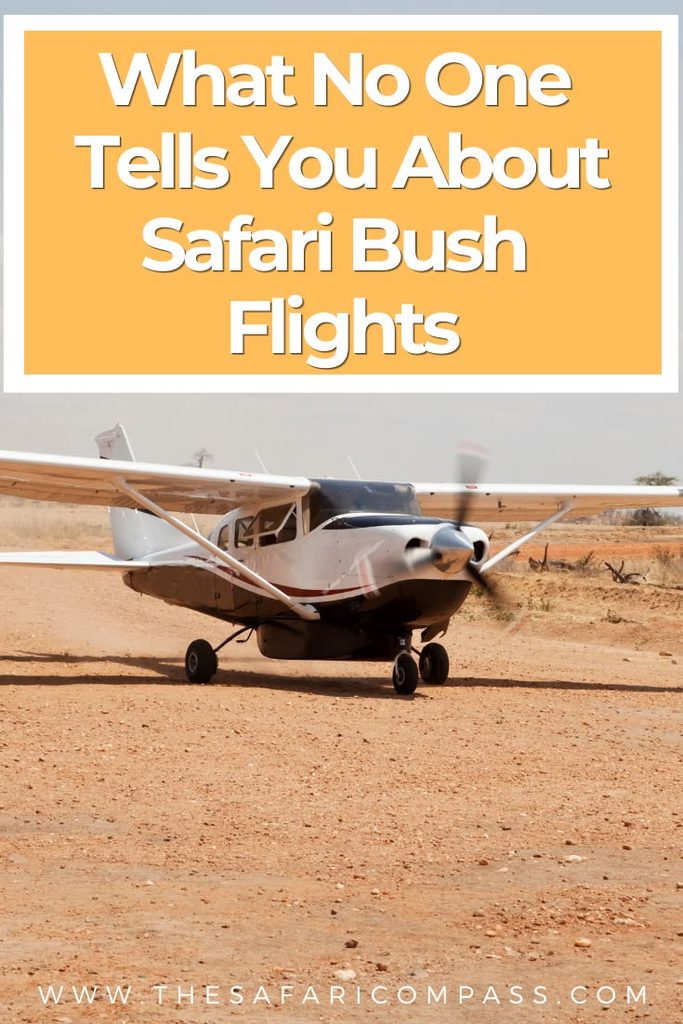
When you book a safari in Africa and you’re travelling to remote camps and lodges – most often, the most efficient way to get there is by small plane.
Usually these are caravans or Cessna’s, sometimes you might be lucky enough to fly like a, well, queen! in a King Lear jet.
The thing is, when you book, you are not advised of the aircraft type. If you do want to guarantee a certain type of aircraft, you will have to book and pay for a private charter and you will need to discuss this with your booking agent.
And yes, it will cost you extra to have a private plane.
Why? Because there are always so many changes happening with bookings, the scheduling of the flights is only finalised in the afternoon the day before, and if changes need to be made, then they will be made to accommodate all travellers as best as possible.
Again, if you want guaranteed specifics, book and pay for a private charter flight.
So if you’re in a shared plane, or what’s also called a scheduled light aircraft flight, then you fly in the plane that arrives. Simple.
In addition, if that plane goes ‘technical’ on the day of the flight, the aircraft will be changed if necessary. Safety always, always comes first.
Now, many people are very nervous about flying in small planes, and that is totally understandable.
I was like that for a long time, absolutely hated it, but now it’s much better, I personally just don’t like the turbulence (which isn’t on every flight), as it makes me feel air sick.
So, what is an intrepid traveller like you supposed to do?
Here are 14 of my personal best tips to consider, when you know you’re going to be flying in small planes.
Flying in Small Planes – how to make it awesome!
1. Listen to the pilot
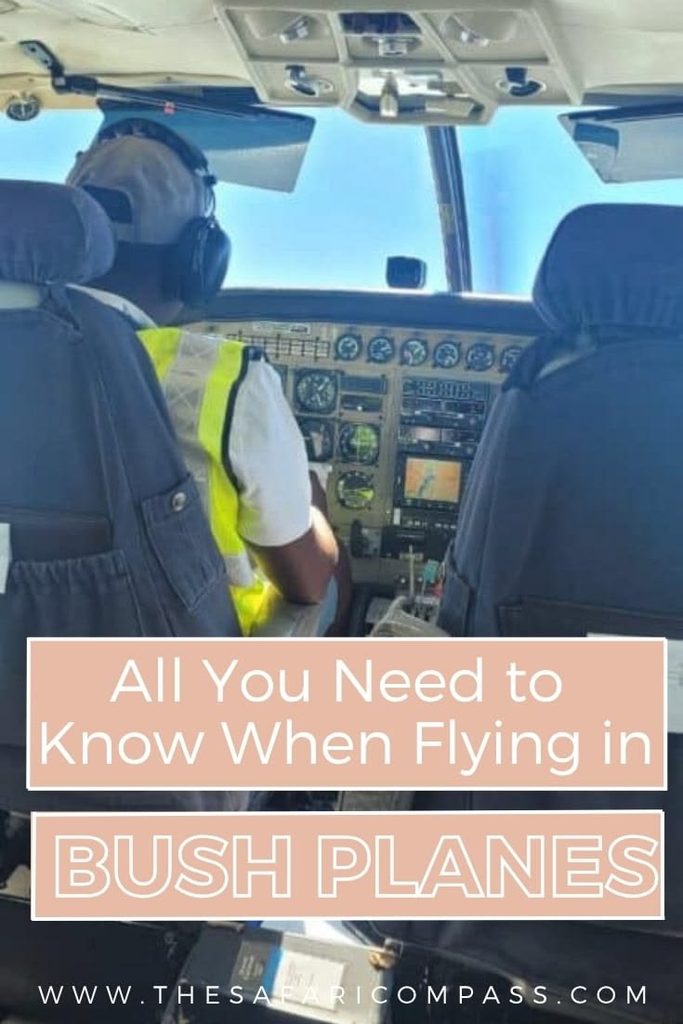
When you get to the airport, you usually walk across the tarmac/ apron to get to the plane. The pilot is there at the plane to meet you, and he will give you a safety briefing while standing outside of the plane. Pay attention to what he or she says, it’s not quite the same as flying in large commercial flights.

2. Motion sickness medication
Get this before you travel, and take it within the recommended time frame. I am not advising on any specific medicines at all and I am not a medical doctor by any means, but I prefer Valoid which is an over-the-counter med here in South Africa. It also makes me a bit tired so I can catch up on a few zzz’s while flying.
3. Take a jacket with you
In Africa, it’s generally warm to hot during the day, almost the whole year round. When flying in small planes, you might assume it will be hot inside the aircraft too, but the air flowing from the events pumps out cool air which helps keep the motion sickness at bay. It can get chilly.
But on the flip side, if those aren’t working, then it’s going to be hot. I dress in layers so I can peel them on an off as needed.

4. Sit next to the wing or behind the pilot in a small plane
I flew in April 2024 around Zimbabwe. At the time I asked the pilot where is the best place to sit to try to reduce motion sickness, and he advised next to the wing, or behind the pilot.
5. Download music or a movie
Before you fly, download something to watch or listen to. It can help to distract you if you don’t like flying, or if you get bored easily.
6. Take ear phones or ear plugs
Take ear plugs to listen to your music or movie, but not only that, also take ear plugs even if you don’t have anything to watch or listen. It is pretty loud inside the plane and having ear plugs helps drown out a lot of the noise.
7. Sparkling water and ginger beer
Take a bottle of sparkling water and ginger beer, or ginger ale, with you on the plane if you struggle with motion sickness.

8. Wait your turn
So perhaps another point should be to wait until the person in front of you is onboard, before you start climbing. Also, when you get off, don’t pull down on the thingy on the left – I did this, and it pulled the door downwards and I almost hit myself on the head!
9. You can’t take much onboard with you
Inside the plane, there aren’t any overhead compartments and there’s just a small space at the back of the plane for a couple of bags. More than likely, you’ll need to keep your jacket on your lap. Or, if the flight isn’t full, you might have an empty seat next to you and put your things there, but that is of course, not guaranteed.
One small backpack/ handbag and a jacket – that’s it.
10. Watch your step getting on and off a small plane
The steps are flip down so be careful when you climb up – there’s only two or three steps on the caravans, but I have heard of someone who was climbing aboard, his knee gave in, he fell backwards, and the lady behind him got injured!

11. Take snacks with you
Forget about drinks trolleys and in-flight service – seriously. There’s no space anyway.
If you want something to snack on, you’re going to have to take your own.
12. Go to the loo before you fly
There are NO toilets on board.
Go do what you need to do before you climb onboard.
13. Follow the luggage guidelines!
There are very strict rules about this, and for good reason.
We get calls about this every.single.weekend. People don’t read their pre-travel documents, or they aren’t told, or they think it doesn’t affect them – I’m not sure which.
But the airlines have to be strict for safety reasons, and because some luggage (like Samsonite cases), don’t fit into the hold.
Make sure to find out what the luggage restrictions are.
14. Not all flights are direct
When you book bush flights, you need to know that they operate on a circuit. They’ll stop along the way and pick up and drop off people where necessary. Sometimes there isn’t anyone and you’ll just fly direct, but you won’t know until you get to the airport or airstrip.
The biggest complaints that I see about these bush flights are mainly (but not at all limited to) East Africa, around Kenya and Tanzania, where there are multiple stops on almost every route. A simple 45-minute flight if flying direct, can turn into a 6-hour ordeal, purely based on the number of stops along the way.
The only way to avoid this is by booking a private charter that will fly you directly from A – B, and it is quite a bit more expensive.
15. Keep your eyes open when coming into land
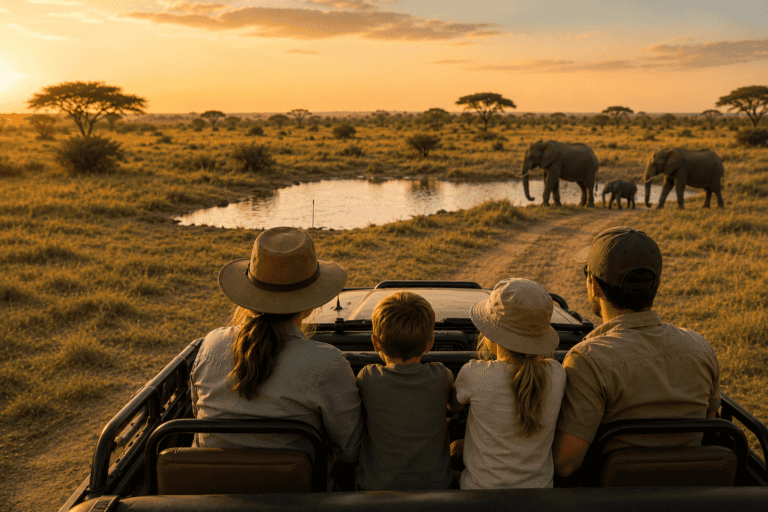
You’re almost at your lodge! Enjoy the descent. When you are flying over the bush (African savannah), it’s really amazing to spot elephants and giraffe from the air. Think of it as a different way of game viewing. It’s amazing!
So hopefully that will help you have a great flight! Just remember, it’s all part of your safari adventure.


Leave a Reply