Do’s & Don’ts of Going on an African Safari
Enjoying a trip to Africa is best when you know rules of a safari; the main do’s and don’ts when out in the bush.
When you arrive at camp, you will usually enjoy a refreshing welcome drink and get introduced to the camp manager will sit down with you, double check your dietary requirements and health issues, and answer any questions you may have.
They will then introduce you to the camp, how things work, and the rules that are there and enforced to keep you safe.
LISTEN to the rules!
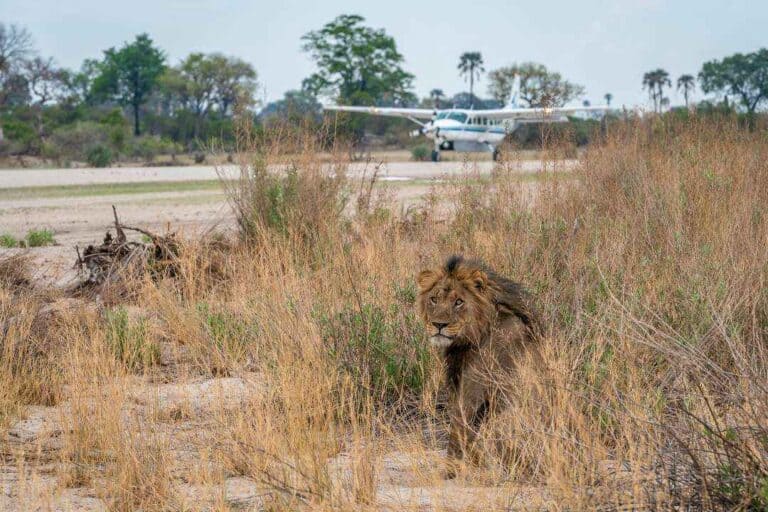
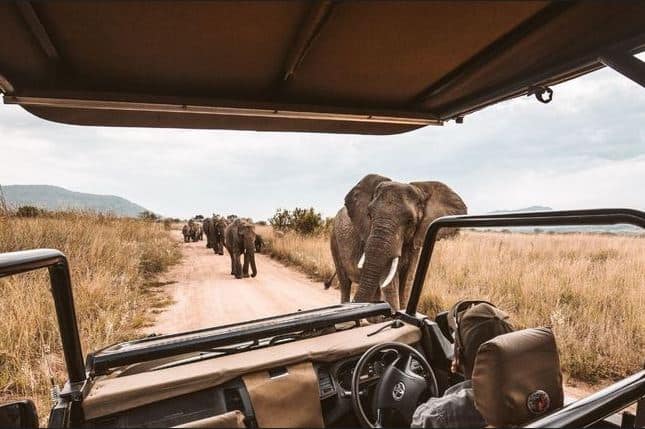
Even if you think you are as fast as Usain Bolt, you will NOT outrun a lion. Or a hippo. Or an elephant. You get what I’m saying?
Listen to the rules.
They are there to ensure your safety, respect the environment, and to maximize your experience.
Here are some of the essential do’s and don’ts to keep in mind when you head off on your African safari adventure.
Do’s:
Do Listen to Your Guide
Your guide knows the terrain and the behavior of the animals better than anyone. they live and breathe this every day. Some of the animals are even ‘named’ as the guides, and sometimes researchers, monitor their behaviours. They’re there to keep you safe and help you spot wildlife, so follow their instructions. If they say stay quiet or don’t leave the vehicle, then stay quiet and don’t leave the vehicle. Simple.
Do Stay Quiet and Calm
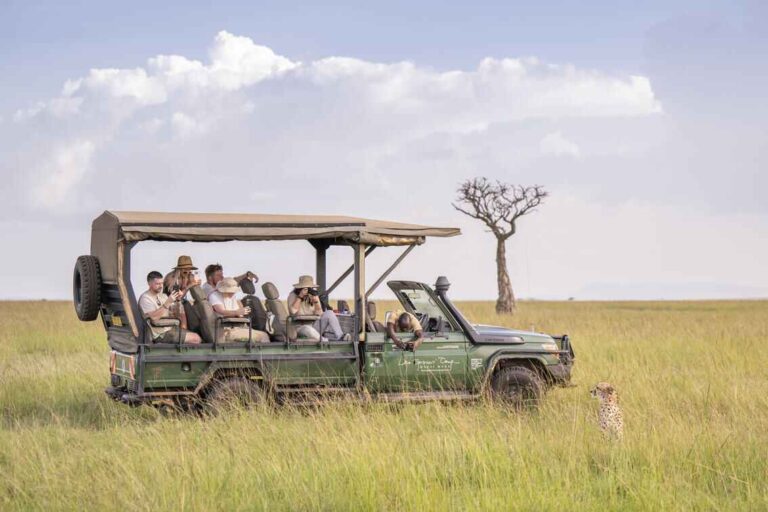
Silence is golden when you’re on a safari. Animals are easily spooked by loud noises, which could ruin not only your experience but also that of others in your group. It can also put you in danger. Stay calm and let the guide bring you close to the action when they feel it is safe. They can read the animals’ body language and know when to stay, and when it’s time to hightail it out of there.
Do Respect the Wildlife
Remember, you’re a guest in the animals’ home. Keep your distance, avoid sudden movements, and never attempt to feed or touch the animals. Respecting wildlife not only keeps you safe but also helps preserve their natural behaviors.
You might be lucky enough to be relaxing on the deck of your room and have elephants come and graze around your tent. Don’t be fooled and think that just because they are calm and quiet, that you can reach over and touch them. Bad idea. Just sit still and watch them.
Do Speak Up in Camp if You Are Unhappy About Something
This is one that literally boggles my mind. I probably get at least one call a weekend on this.
Right. Let’s say you are in a camp in Botswana. You don’t like the fact that you have been allocated to a vehicle and are sharing with Robin and Piper as you realise they are avid birders and want to stop and see every single feathered friend. By the end of the game drive, you are highly irritated so you WhatsApp your agent back home to complain. They then call their booking agent in South Africa, who then has to call the office in Botswana. This person now needs to radio the camp manager and explain the situation, who will then go and talk to you to try and amend things, so everyone has a fantastic time.
I do not understand why that message must go, literally, all the way around the globe? The camp manager is 5 metres away from you. If you’re unhappy, go and speak to them. We are all human and have different interests, likes and dislikes. No-one will think any less of you. Promise. Just be nice.
Do Pack the Essentials
Have a safari packing list (link). Make sure to bring key items like sunscreen, a wide-brimmed hat, and insect repellent (although most lodges do provide this). Long-sleeved, neutral-colored clothing is also a must to protect from the sun and insects while blending into the environment. Don’t forget your camera and binoculars, SIM card, charges and anything else that will make your safari more enjoyable.
Do Take an Interest in Things Other Than the Big Five
Africa is FULL of amazing creatures. Like seriously fascinating. Ask your guide to teach you about some of the insects of the area. The same goes for trees and plants. Ask them to show you how they track an animal, or what a snake’s pattern in the sand looks like. I can promise you these things won’t be like anything you have back home.
Do Ask Questions
Your guide is a serious wealth of knowledge. They know about the local ecosystem, animals, birds, insects, and conservation efforts happening in the area. Don’t hesitate to ask questions—they really are happy to share stories and their knowledge that will enhance your safari experience.
Don’ts:
Don’t Wear Bright Colors
Stick to neutral tones like khaki, beige, or olive green. Bright colors can attract unwanted attention from insects or even startle wildlife. Avoid white and black as they stand out too much in the natural environment. Remember when you were a kid, and your mom told you to wear white if you were riding your bike in the dark? Why? Because it makes you visible.

Don’t Stand Up or Leave the Vehicle
Depending on which country you go to, safari vehicles most often don’t have proper closing doors (note that I said MOST often, I didn’t saw always). They are designed for optimal wildlife viewing, and standing or moving suddenly can frighten the animals. Worse, leaving the vehicle in a game reserve is dangerous and strictly prohibited. Always remain seated unless your guide gives the okay to step out or stand up.
So why shouldn’t stand up? An animal will see the vehicle with all the people in it as one shape. If you stand up, or hang your arm over the side, it breaks the shape of what the animal initially saw. This could their curiosity. Next thing you know, you have a lion sniffing around at your open door. Only stand up if your guide says it is safe to do so.
Don’t Litter
This should be a no-brainer, but anyway… Keeping the environment clean is vital for both wildlife and other travellers. Make sure to take all your trash with you, including plastic bottles and wrappers, to protect the ecosystem. Heck, if you see litter, especially plastic, tell the guide and they will go and pick it up.
Don’t Expect Nonstop Action
While a safari does offer incredible opportunities to see wildlife, there are quiet moments too. Animals move according to their own schedule, so patience is key. Use the downtime to soak in the scenery, enjoy the peacefulness of the bush, and keep an eye out for subtle signs of wildlife nearby. Definitely keep your binos handy!
Don’t Drink Excessively
Many of the safari lodges have local alcoholic beverages included in their rates, while premium brands and champagne are excluded. But, just because it’s included, does not mean you have to drink, what you feel is, your money’s worth. Besides potentially feeling crappy the next day and missing out on activities, you could potentially put yourself, and others, in danger. Some drunk people get loud or aggressive, which can attract predators.
You might also think you’re Superman and won’t get harmed walking to your tent alone at night, but ultimately you’d be wrong! Predators prey at night and they are silent.
Your capability to think clearly will be impaired, your reflexes will be slower and it’s really just a whole lot of bad rolled into one. And you could potentially be blacklisted from returning to that camp again in the future. So, don’t do it.
Don’t Approach Animals on Foot
This is not a zoo. Even if you’re on a walking safari, always keep a respectful distance. Some animals may seem completely chilled, but they can become dangerous if they feel threatened. Your guide will maintain a safe distance—follow their lead.
Don’t be a Douche
Enough said.
Final Thoughts:
Enjoy yourself, don’t leave your brain at home, and listen to your guide and the camp staff. Enjoy every moment, and remember: sometimes, the best part of a safari is the surprise of what’s waiting around the next bush!