
Should You Self-Drive on a Safari to Save Money?
One way to potentially cut your safari cost is to rent a car and drive yourselves.
But this is only really suitable to some travellers. If you have a lot of time available, and are wanting to explore and really do some ‘deep’ travel, this could be a very good option.
It also depends on which country you are travelling to.
It’s not always the easiest way to travel, it can take you a long time, you might get lost, but, if you’re wanting to go on a safari and flying around between camps isn’t really what you want to do, then this is one way you can definitely get to enjoy Africa and all of its wildlife.
I also know that there are many people who will disagree with me about self-driving, so this article is more for the time sensitive traveller.
Or a traveller who prefers to reach their destination as quickly as possible.
Regardless, if you do want to drive yourself, there are some points you should consider when deciding to get a rental.
So, let’s dive in!
Firstly just the basics. You need to know the following:
- What side of the ride do they drive on?
- What side of the car is the steering wheel on?
- What type of vehicle are you going to rent, as you will need something that can get through dirt roads without getting stuck
- Are you able to reach your lodge by driving yourself?
Tips When Driving Yourself to a Game Lodge
When renting a car, make sure to get the car rental company’s 24-hour emergency number, make sure there’s a spare tyre and jack, and rent a GPS if you need to. It’s also a good idea to have a physical map, just incase.
Have an emergency number loaded as a contact in your phone.
I’ve talked about having an emergency number here if you want to read more about it, and it’s one of the most important numbers you should have loaded as a contact in your phone, but seriously, have a number.
Even if it’s the car rental agency’s 24-hour number, add it to your contacts.
What happens if you get a flat in the middle of the game reserve?
You CANNOT get out of your vehicle to change the tyre. No, no, no! There could be a predator right there and you just won’t see it. And you will never get away in time. Always stay in your car and call for help.
Don’t take chances
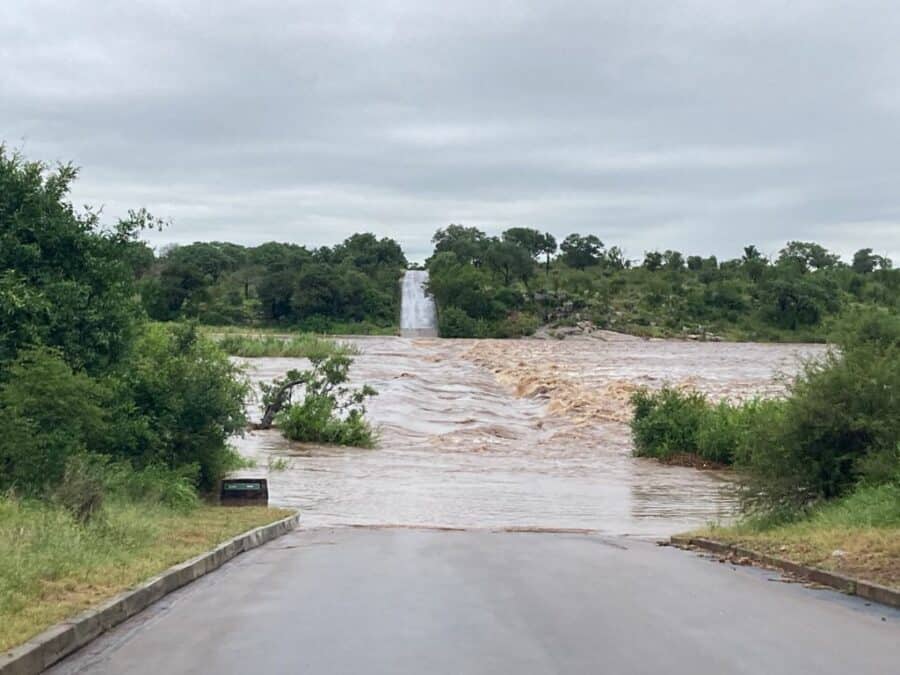
Sometimes in summer when there’s been a lot of rain, rivers overflow. Do NOT try and drive across these. You don’t know the condition of the road under the water, and the flowing water is a lot more powerful than you might think. Even if you have a 4 x 4. Don’t do it. Call your emergency number for help.
Watch for animals
Keep an eye out for wildlife, but also KEEP AN EYE OUT FOR WILDLIFE.
Every animal displays body language – calm, happy, angry, territorial, protective – but as a traveller, chances are highly likely that you’re not going to know what this is.
Be wary of the bigger animals, especially elephants in the road, or on the side of the road. They sometimes do mock charges, and they sometimes do actually charge. And sometimes they don’t do anything.

Always keep your eyes open and maintain a respectful and safe distance, especially if there are babies around.
Know what times the gates open and close
Before you travel, find out what time the park’s gates close in the evening, and what time they open in the morning.
If the gates close at 18h00, they close at 18h00.
If you arrive after this time, you will not be allowed into the park and will have to find yourself alternate accommodation for the night outside of the park. This means an added expense for this unplanned accommodation as well as 100% cancellation fees for the first night missed at your safari lodge (why you should have comprehensive travel insurance).
It also means that you’re going to miss your first and second game drive at the lodge.
This is also one of the reasons why you should insist that your travel agent makes sure that your mobile number is given to all relevant parties in the destination you’re travelling to. It is incredibly stressful trying to ‘find’ someone who hasn’t arrived at a lodge, and your phone number hasn’t been provided.
You may not do your own game drives in private reserves
Even if you’ve rented a car and driven yourself to the lodge, you may not use your own vehicle to go out on your own game drives.
The only place you can really do this is at the SANPARKS lodges (South African National Parks). They offer self-catering chalets and although some do have game drives available at an additional cost, you can drive yourself around.
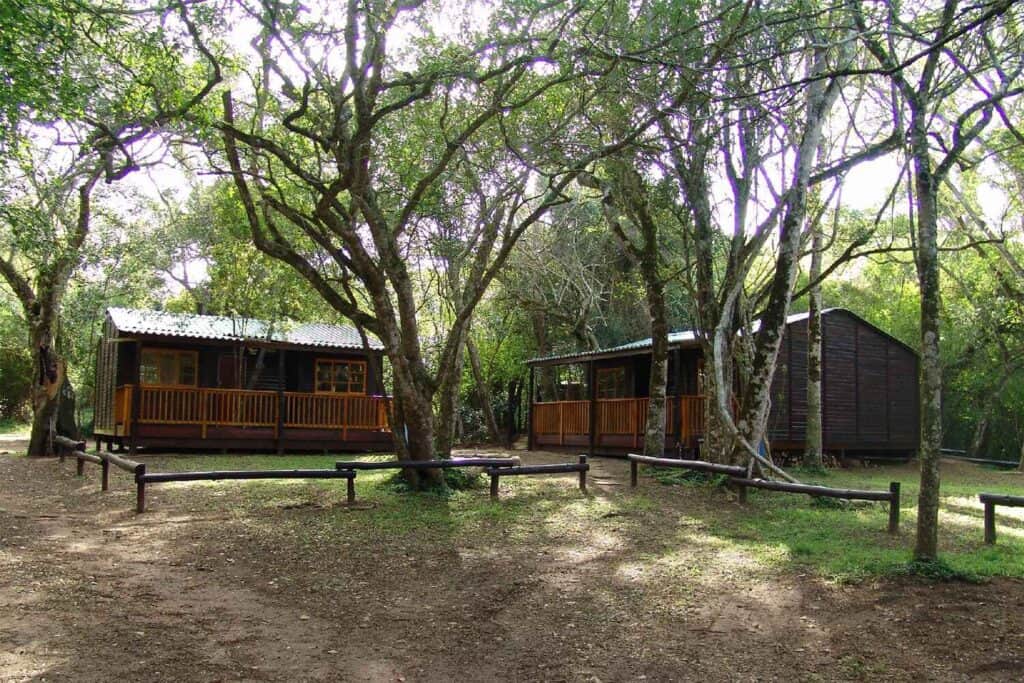
But, if you’re staying in a private reserve, this is definitely not allowed.
Let’s say you’ve booked a 3 night/ 4 day stay at a private lodge in the Sabi Sands Reserve. You’ve landed in Johannesburg, booked a car and driven 6 hours or so, to reach the Sabi Sands. If you arrive in time before the gates close, you get through the gate and arrive at your lodge. For the next 3 nights/ 4 days, your rental car will just stand there as you’re not allowed to drive it. And you’re paying for the rental. When it’s time to leave, you take your car and depart. There are other ways you can get to these private lodges.
Countries that are Great for Self-Drives
There are some countries that you can self-drive to, that are just better than others.
If you’re taking a year off to explore Africa and you’ve bought yourself an overland vehicle that’s kitted out, this post isn’t really for you as that’s a whole other ball game.
But for those travelling for a short amount of time, you can comfortably drive yourselves around:
1. South Africa
Almost every game reserve and national park in South Africa is accessible to self-drive travellers. The infrastructure is good and more often than not, the roads are well-maintained (bar a few remote areas).
There are amazing lodges in the Eastern Cape (fly into Port Elizabeth) as well as near to Johannesburg. From Jo’burg you can travel westwards towards Madikwe and the Pilanesburg. Travel north to the Waterberg and other game reserves, and travel east to the Kruger National Park and Sabi Sands.
A self-drive option is very popular for people who start off in Cape Town, travel along the Garden Route, and then end off at a game lodge in the Eastern Cape. This type of self-drive trip is comfortably done over 10 to 14 days.
2. Namibia
Namibia is another great destination for travellers looking to enjoy a self-drive safari, offering the freedom to explore at your own pace.
However, it’s important to drive with caution—gravel roads and sudden changes in terrain can lead to accidents if you’re not careful. I have heard stories travellers who’ve lost control of their vehicle due to speeding or overcorrecting, so taking it slow is so important.
Always carry a physical map in the car with you – get one at the airport if your rental car doesn’t come with one. This is because GPS and mobile signals can be unreliable in remote areas.
Make sure the vehicle is in good condition, carry extra water and fuel, and let someone know your route in case of emergencies.
Namibia is huge and some of the areas that you will cover are remote so just be prepared.
3. The remaining countries
I personally don’t recommend renting a car in other African countries. The reason is because you are already on a time limit for your safari vacation and you could get lost, break down, have two flat tyres, not be allowed into a park due to park restrictions, and a whole heap of other things.
Honestly, the best thing to do is to rather save a bit extra and book inter-lodge flights. They’re faster, they’re scenic and they will save you a heap of precious time.
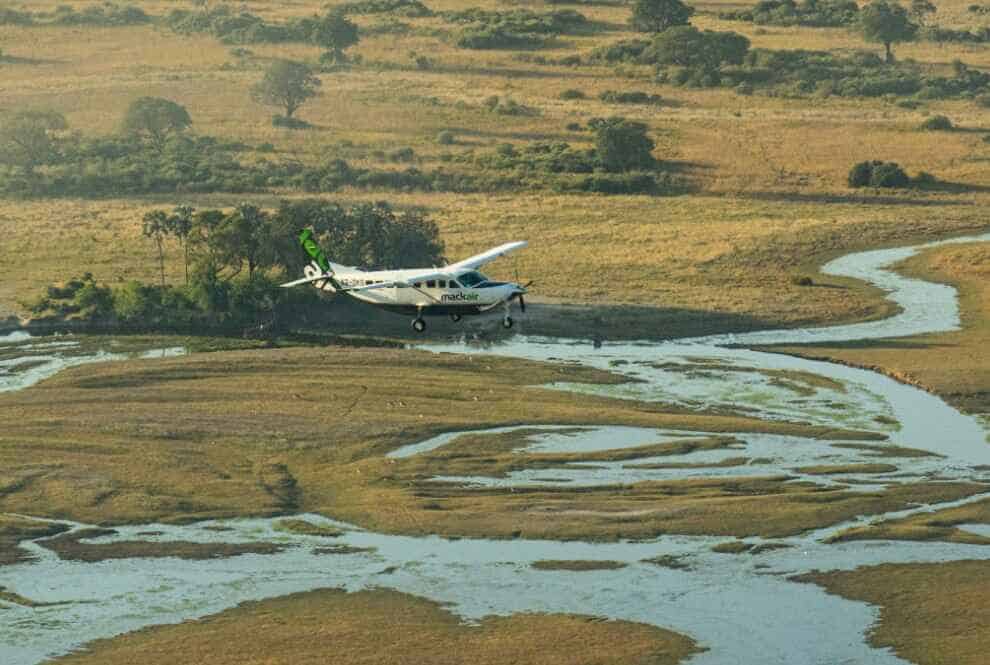
People do rent vehicles and drive in Kenya and Tanzania, but if you don’t like flying, then rather book a transfer, or even better, a vehicle and guide. You could easily get lost, go to the wrong gate (after driving for hours and hours) and will miss out on many things that a guide would tell you about along the way.
Some reserves also no longer allow private vehicles.
For example, since July 2024, self-drive vehicles are not allowed inside the Masai Mara. It really does become a logistical nightmare when you’re thinking, “Okay, I’ll drive to the gate of the park, and leave the car there.”
And then what? If the lodge you’re going to is fully booked, they will not have a spare vehicle or the staff available to drive for the hour or two, to reach the gate, to come and fetch you.
My Personal Opinion
So, should you self-drive on a safari to save money?
If you want to hire a car and drive yourself, stick to Namibia and South Africa. The roads are generally good, they are great countries to drive in, and you can have a lot of fun exploring the lesser-known towns and attractions.
Otherwise booking a car and trying to enjoy a self-drive COULD end up costing you more rather than saving you money, and depending on distances, it could honestly waste your well-deserved vacation time.
Outside of South Africa and Namibia, there are usually three ways to reach a lodge:
- Fly in the small bush planes and the lodge collects you from the airstrip.
- Book yourself on an overland tour in a vehicle group with a driver / guide.
- Depending on where you’re going, book road transfers.
As I said, I know people will disagree, but if you’ve got a lot of ground to cover and camps are very far apart, the best option is for you to fly.
If you have any questions on this, please send me a message me below and I will gladly try and assist.